
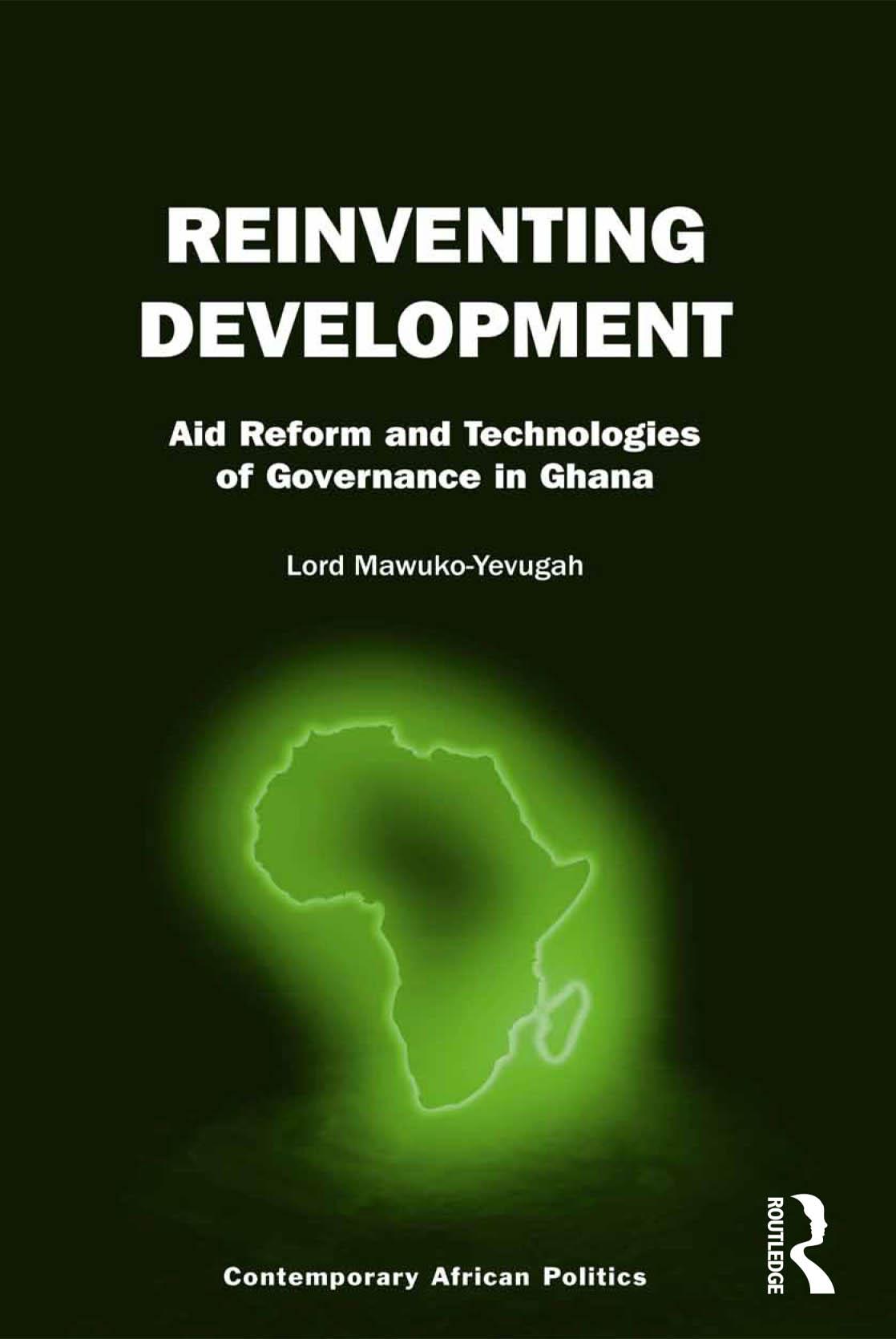
Global development actors such as the World Bank and the International Monetary Fund claim that the shift to the poverty reduction strategy framework and emphasis on local participation address the social cost of earlier adjustment programs and help put aid-receiving countries back in control of their own development agenda. Drawing on the case of Ghana, Lord Mawuko-Yevugah argues that this shift and the emphasis on partnerships between donors and poor countries, local participation, and country ownership simultaneously represents a substantive departure from earlier versions of neo-liberalism and an attempt by global development actors and local governing and social elites to justify, and legitimize the neo-liberal policy paradigm. This book shows how the new architecture of aid has important implications in three distinct but related ways: the discursive construction and production of post-colonial societies; the changing focus of Western aid and development policy interventions; and the reproduction of the politics of inclusive exclusion. The author provides detailed and original research on the new development paradigm and develops a critical theoretical approach to re-think conventional analyses of the new discourses on aid whilst offering a fresh, alternative interpretation of changes in international aid relations.
Payez facilement par carte, Klarna, Apple Pay ou Google Pay. Pas satisfait ? Vous avez toujours une garantie de remboursement de 14 jours. En savoir plus dans nos conditions. Si vous avez des questions, envoyez-nous un e-mail à hello@memmo.org.
Memmo facilite tes études, où que tu sois dans le monde. On rassemble tes manuels de cours et des outils d'étude intelligents au même endroit : résumés, quiz, podcasts et flashcards. Et il y a Ted, ton compagnon d'étude qui répond à toutes tes questions. Plus de 50 000 étudiants étudient déjà ici – conçu pour t'aider à apprendre plus vite et à moins stresser.
Tu pourrais aussi aimer
Acheter le livre0