
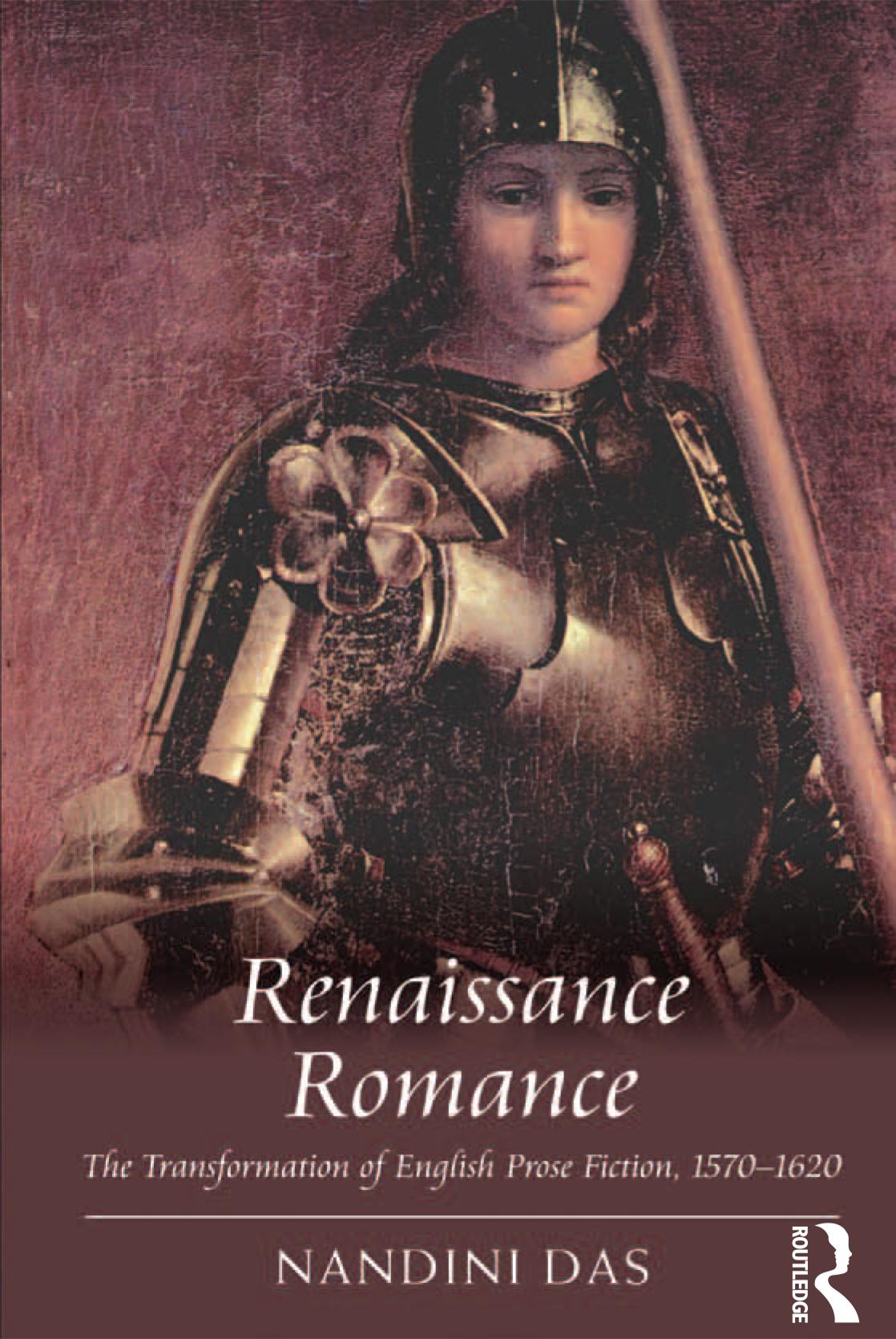
Romance was criticized for its perceived immorality throughout the Renaissance, and even enthusiasts were often forced to acknowledge the shortcomings of its dated narrative conventions. Yet despite that general condemnation, the striking growth in English fiction in the late sixteenth and early seventeenth centuries is marked by writers who persisted in using this much-maligned narrative form. In Renaissance Romance, Nandini Das examines why the fears and expectations surrounding the old genre of romance resonated with successive new generations at this particular historical juncture. Across a range of texts in which romance was adopted by the court, by popular print and by women, Das shows how the process of realignment and transformation through which the new prose fiction took shape was driven by a generational consciousness that was always inherent in romance. In the fiction produced by writers such as Sir Philip Sidney, Robert Greene and Lady Mary Wroth, the transformative interaction of romance with other emergent forms, from the court masque to cartography, was determined by specific configurations of social groups, drawn along the lines of generational difference. What emerged as a result of that interaction radically changed the possibilities of fiction in the period.
Payez facilement par carte, Klarna, Apple Pay ou Google Pay. Pas satisfait ? Vous avez toujours une garantie de remboursement de 14 jours. En savoir plus dans nos conditions. Si vous avez des questions, envoyez-nous un e-mail à hello@memmo.org.
Memmo facilite tes études, où que tu sois dans le monde. On rassemble tes manuels de cours et des outils d'étude intelligents au même endroit : résumés, quiz, podcasts et flashcards. Et il y a Ted, ton compagnon d'étude qui répond à toutes tes questions. Plus de 50 000 étudiants étudient déjà ici – conçu pour t'aider à apprendre plus vite et à moins stresser.
Tu pourrais aussi aimer
Acheter le livre0