
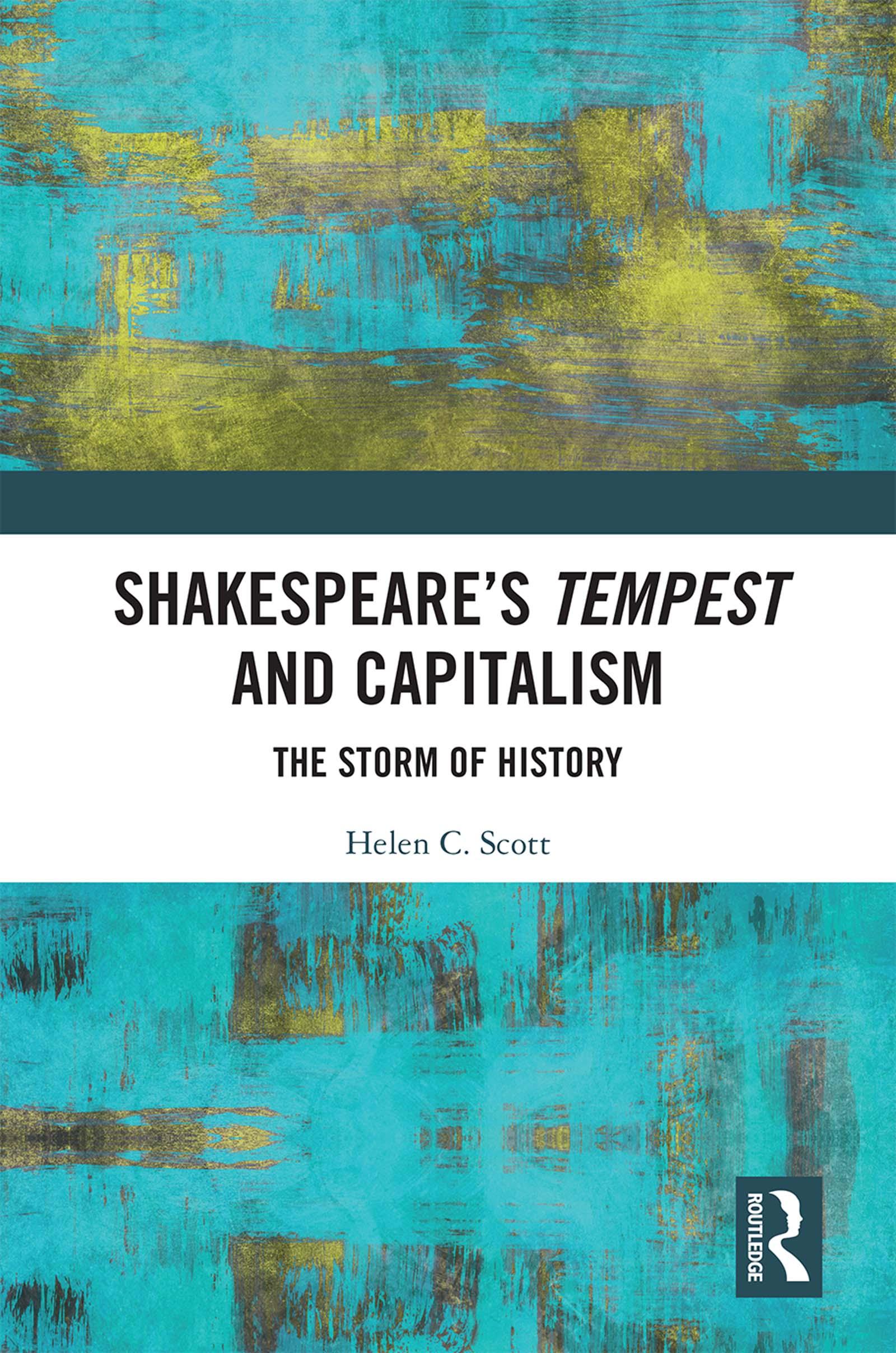
In this forceful study, Helen C. Scott situates The Tempest within Marxist analyses of the ‘primitive accumulation’ of capital, which she suggests help explain the play’s continued and particular resonance. The ‘storm’ of the title refers both to Shakespeare’s Tempest hurtling through time, and to Walter Benjamin’s concept of history as a succession of violent catastrophes. Scott begins with an account of the global processes of dispossession—of the peasantry and indigenous populations—accompanying the emergence of capitalism, which generated new class relationships, new understandings of human subjectivity, and new forms of oppression around race, gender, and disability. Developing a detailed reading of the play at its moment of production in the business of theatre in 1611, Scott then moves gracefully through the global reception history, showing how its central thematic concerns and figurative patterns bespeak the upheavals and dispossessions of successive stages of capitalist development. Paying particular attention to moments of social crisis, and unearthing a radical political tradition, Scott follows the play from its hostile takeover in the Restoration, through its revival by the Romantics, and consolidation and contestation in the nineteenth century. In the twentieth century transatlantic modernism generated an acutely dystopic Tempest, then during the global transformations of the 1960s postcolonial writers permanently associated it with decolonization. At century’s end the play became a vehicle for exploring intersectional oppression, and the remarkable ‘Sycorax school’ featured iconoclastic readings by writers such as Abena Busia, May Joseph, and Sylvia Wynter. Turning to both popular culture and high-profile stage productions in the twenty-first century, Scott explores the ramifications and figurative potential of Shakespeare's Tempest for global social and ecological crises today. Sensitive to the play’s original concerns and informed by recent scholarship on performance and reception history as well as disability studies, Scott’s moving analysis impels readers towards a fresh understanding of sea-change and metamorphosis as potent symbols for the literal and figurative tempests of capitalism’s old age now threatening ‘the great globe itself.’
Payez facilement par carte, Klarna, Apple Pay ou Google Pay. Pas satisfait ? Vous avez toujours une garantie de remboursement de 14 jours. En savoir plus dans nos conditions. Si vous avez des questions, envoyez-nous un e-mail à hello@memmo.org.
Memmo facilite tes études, où que tu sois dans le monde. On rassemble tes manuels de cours et des outils d'étude intelligents au même endroit : résumés, quiz, podcasts et flashcards. Et il y a Ted, ton compagnon d'étude qui répond à toutes tes questions. Plus de 50 000 étudiants étudient déjà ici – conçu pour t'aider à apprendre plus vite et à moins stresser.