
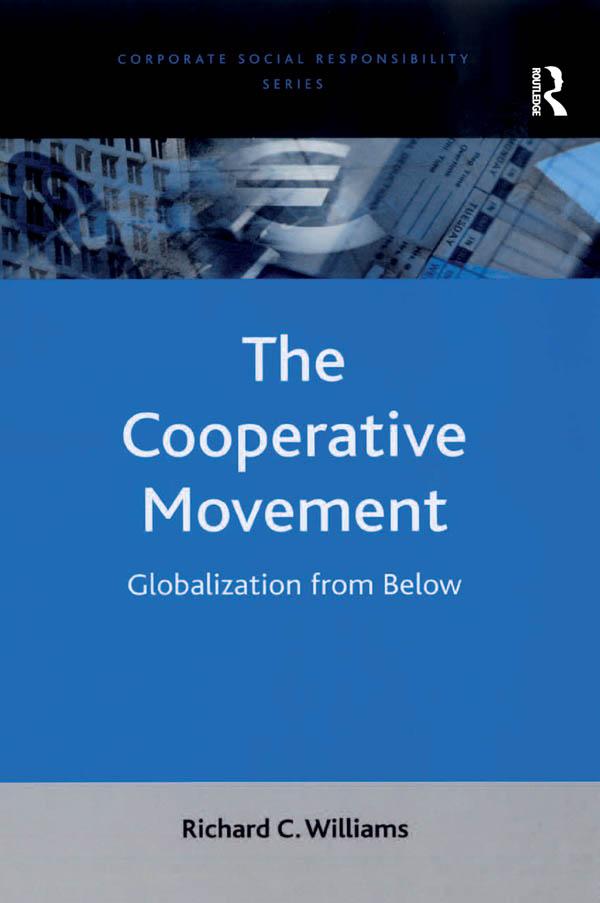
Richard Williams surveys the history of the cooperative movement from its origins in the 18th century and deals with the theory of cooperation, as contrasted with the 'Standard Economic Model', based on competition. The book contains the results of field studies of a number of successful cooperatives both in the developed and developing world. It includes insights from personal interviews of cooperative members and concludes by considering the successes and challenges of the cooperative movement as an alternative to the global neo-colonialism and imperialism that now characterizes free-market capitalist approaches to globalization. The book considers democratic and local control of essential economic activities such as the production, distribution, and retailing of goods and services. It suggests that cooperative approaches to these economic activities are already reducing poverty and resulting in equitable distributions of wealth and income without plundering the resources of developing countries.
Payez facilement par carte, Klarna, Apple Pay ou Google Pay. Pas satisfait ? Vous avez toujours une garantie de remboursement de 14 jours. En savoir plus dans nos conditions. Si vous avez des questions, envoyez-nous un e-mail à hello@memmo.org.
Memmo facilite tes études, où que tu sois dans le monde. On rassemble tes manuels de cours et des outils d'étude intelligents au même endroit : résumés, quiz, podcasts et flashcards. Et il y a Ted, ton compagnon d'étude qui répond à toutes tes questions. Plus de 50 000 étudiants étudient déjà ici – conçu pour t'aider à apprendre plus vite et à moins stresser.
Tu pourrais aussi aimer
Acheter le livre0