
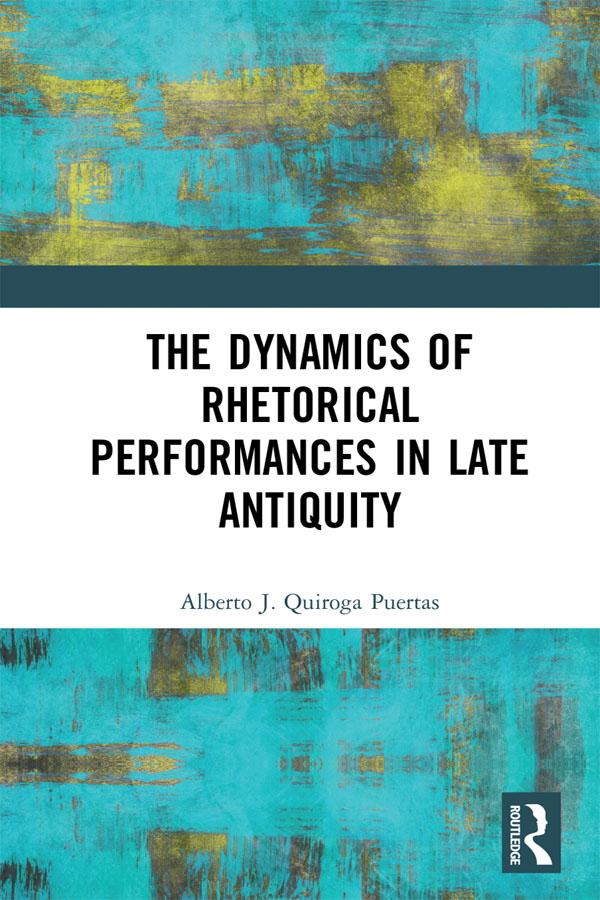
This book argues that narrations of rhetorical performances in late antique literature can be interpreted as a reflection of the ongoing debates of the time. Competition among cultural elites, strategies of self-presentation and the making of religious orthodoxy often took the shape of narrations of rhetorical performances in which comments on the display of oratorical skills also incorporated moral and ethical judgments about the performer. Using texts from late antique authors (in particular, Themistius, Synesius of Cyrene, and Libanius of Antioch), this book proposes that this type of narrative should be understood as a valuable way to decipher the cultural and religious landscape of the fourth century AD. The volume pays particular attention to narrations of deficient rhetorical deliveries, arguing that the accounts of flaws and mistakes in oratorical displays and rhetorical performances reveal how late antique literature echoed the concerns of the time. Criticisms of deficient deliveries in different speaking occasions (declamations, public speeches, oratorical agones, school exercises, sermons) were often disguised as accusations of practising magic, heresy or cultural apostasy. A close reading of the sources shows that these oratorical deficiencies hid struggles over religious, cultural and political issues.
Payez facilement par carte, Klarna, Apple Pay ou Google Pay. Pas satisfait ? Vous avez toujours une garantie de remboursement de 14 jours. En savoir plus dans nos conditions. Si vous avez des questions, envoyez-nous un e-mail à hello@memmo.org.
Memmo facilite tes études, où que tu sois dans le monde. On rassemble tes manuels de cours et des outils d'étude intelligents au même endroit : résumés, quiz, podcasts et flashcards. Et il y a Ted, ton compagnon d'étude qui répond à toutes tes questions. Plus de 50 000 étudiants étudient déjà ici – conçu pour t'aider à apprendre plus vite et à moins stresser.