
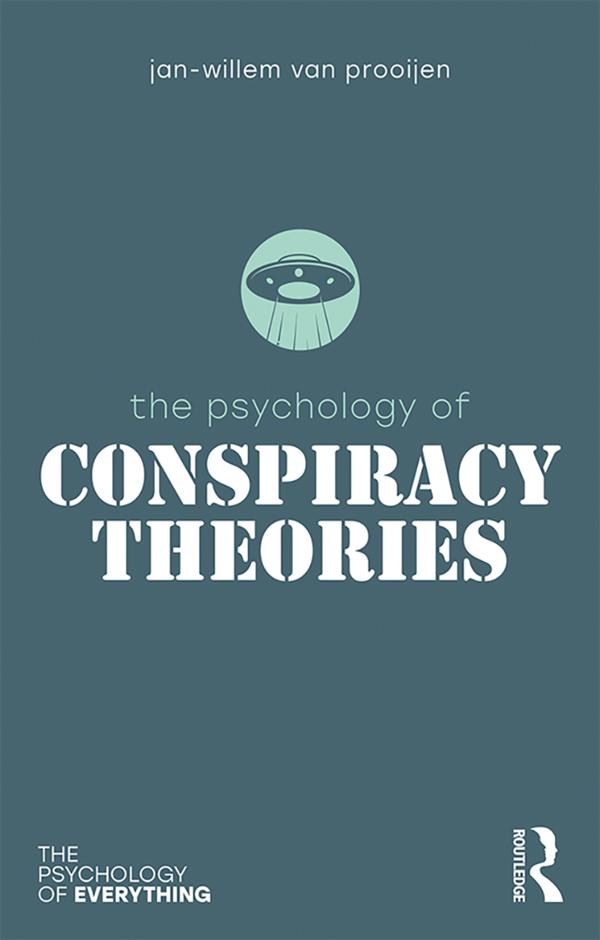
Who believes in conspiracy theories, and why are some people more susceptible to them than others?
What are the consequences of such beliefs?
Has a conspiracy theory ever turned out to be true?
The Psychology of Conspiracy Theories debunks the myth that conspiracy theories are a modern phenomenon, exploring their broad social contexts, from politics to the workplace. The book explains why some people are more susceptible to these beliefs than others and how they are produced by recognizable and predictable psychological processes.
Featuring examples such as the 9/11 terrorist attacks and climate change, The Psychology of Conspiracy Theories shows us that while such beliefs are not always irrational and are not a pathological trait, they can be harmful to individuals and society.
Payez facilement par carte, Klarna, Apple Pay ou Google Pay. Pas satisfait ? Vous avez toujours une garantie de remboursement de 14 jours. En savoir plus dans nos conditions. Si vous avez des questions, envoyez-nous un e-mail à hello@memmo.org.
Memmo facilite tes études, où que tu sois dans le monde. On rassemble tes manuels de cours et des outils d'étude intelligents au même endroit : résumés, quiz, podcasts et flashcards. Et il y a Ted, ton compagnon d'étude qui répond à toutes tes questions. Plus de 50 000 étudiants étudient déjà ici – conçu pour t'aider à apprendre plus vite et à moins stresser.