
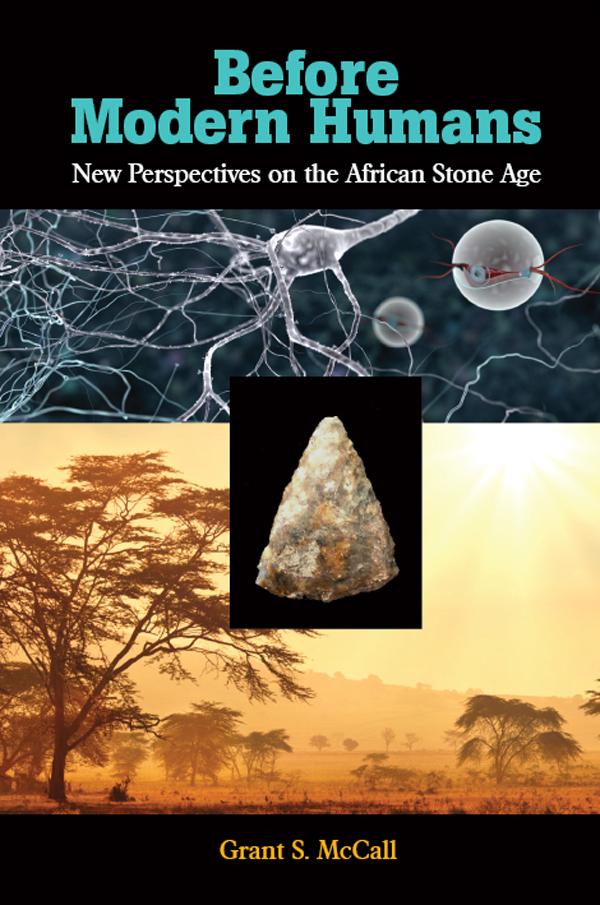
This fascinating volume, assessing Lower and Middle Pleistocene African prehistory, argues that the onset of the Middle Stone Age marks the origins of landscape use patterns resembling those of modern human foragers. Inaugurating a paradigm shift in our understanding of modern human behavior, Grant McCall argues that this transition—related to the origins of “home base” residential site use—occurred in mosaic fashion over the course of hundreds of thousands of years. He concludes by proposing a model of brain evolution driven by increasing subsistence diversity and intensity against the backdrop of larger populations and Pleistocene environmental unpredictability. McCall argues that human brain size did not arise to support the complex patterns of social behavior that pervade our lives today, but instead large human brains were co-opted for these purposes relatively late in prehistory, accounting for the striking archaeological record of the Upper Pleistocene.
Payez facilement par carte, Klarna, Apple Pay ou Google Pay. Pas satisfait ? Vous avez toujours une garantie de remboursement de 14 jours. En savoir plus dans nos conditions. Si vous avez des questions, envoyez-nous un e-mail à hello@memmo.org.
Memmo facilite tes études, où que tu sois dans le monde. On rassemble tes manuels de cours et des outils d'étude intelligents au même endroit : résumés, quiz, podcasts et flashcards. Et il y a Ted, ton compagnon d'étude qui répond à toutes tes questions. Plus de 50 000 étudiants étudient déjà ici – conçu pour t'aider à apprendre plus vite et à moins stresser.
Tu pourrais aussi aimer
Acheter le livre0