
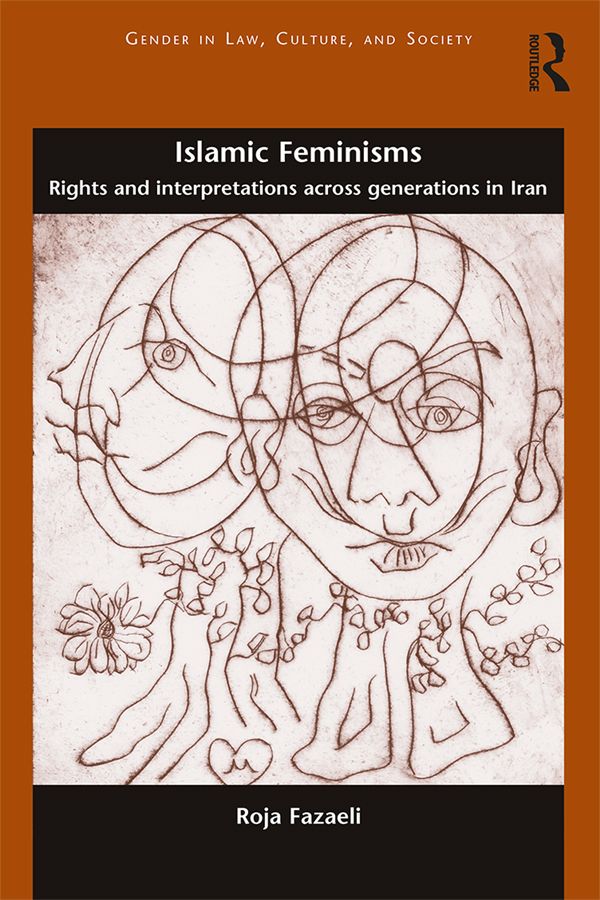
This book explores the contentious topic of women’s rights in Muslim-majority countries, with a specific focus on Iran and the Iranian women’s movement from 1906 to the present. The work contextualizes the authorial self through the use of personal narrative and interviews. A new critique of Islamic law is produced through an in-depth study of the Iranian Constitution, civil and criminal codes. The work presents a novel reconceptualization of the term "Islamic feminism" by revisiting the arguments of various scholars and through analysis of interviews with Iranian women’s rights activists. It is contended that the feminist movements can play a critical role in Islamic law reform and consequently the eventual implementation of international human rights law in Muslim-majority countries. What emerges from this study is not only a feminist critique of two major regimes of law, but also the identification of possibilities for reform in the future. The study transitions from the Iranian national context to the international by way of a comparative legal study of international human rights laws and Islamic laws. The book will appeal both to academics and human rights practitioners.
Payez facilement par carte, Klarna, Apple Pay ou Google Pay. Pas satisfait ? Vous avez toujours une garantie de remboursement de 14 jours. En savoir plus dans nos conditions. Si vous avez des questions, envoyez-nous un e-mail à hello@memmo.org.
Memmo facilite tes études, où que tu sois dans le monde. On rassemble tes manuels de cours et des outils d'étude intelligents au même endroit : résumés, quiz, podcasts et flashcards. Et il y a Ted, ton compagnon d'étude qui répond à toutes tes questions. Plus de 50 000 étudiants étudient déjà ici – conçu pour t'aider à apprendre plus vite et à moins stresser.