
Reliably optimizing a new treatment in humans is a critical first step in clinical evaluation since choosing a suboptimal dose or schedule may lead to failure in later trials. At the same time, if promising preclinical results do not translate into a real treatment advance, it is important to determine this quickly and terminate the clinical evaluation process to avoid wasting resources.
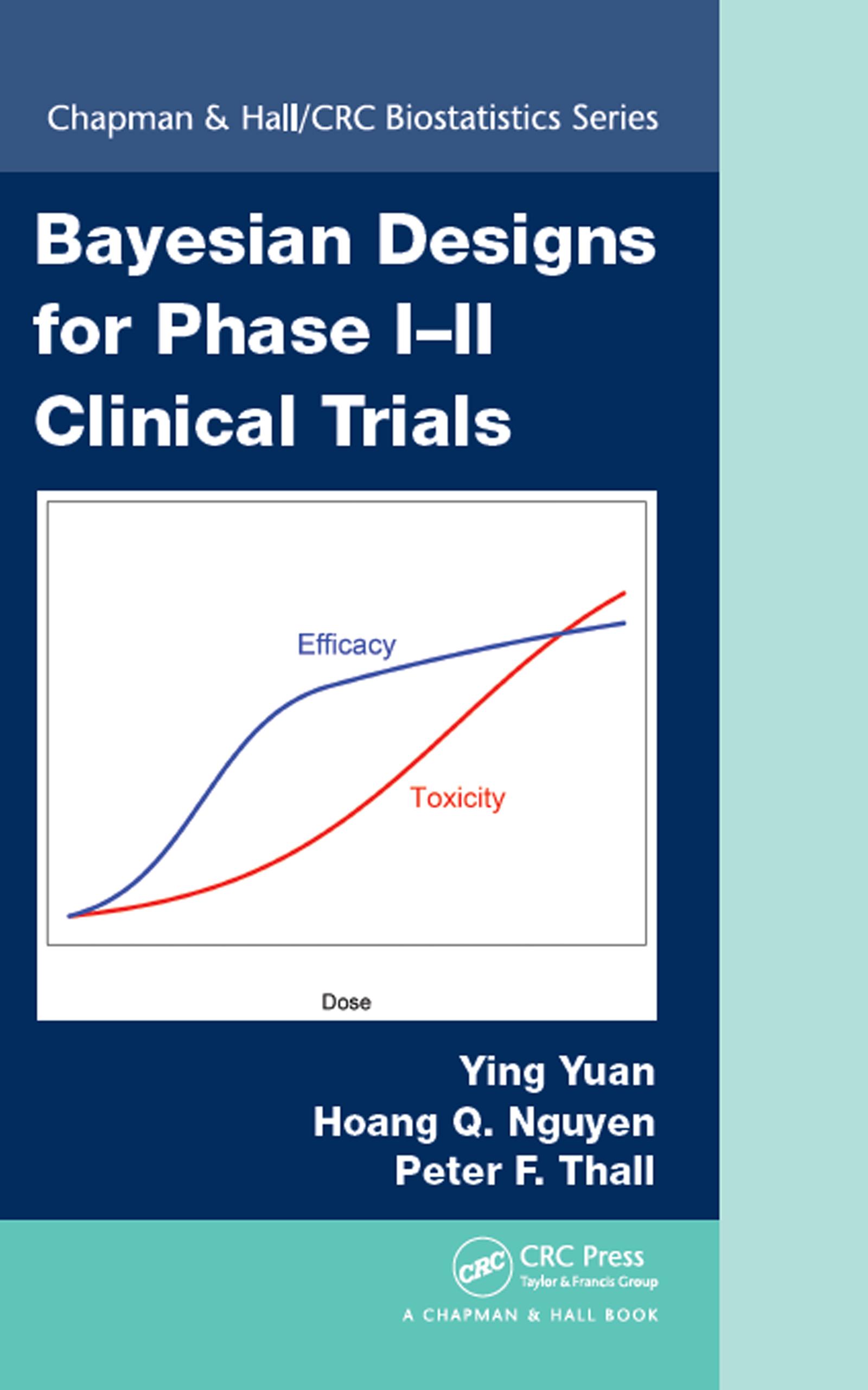
Bayesian Designs for Phase I–II Clinical Trials describes how phase I–II designs can serve as a bridge or protective barrier between preclinical studies and large confirmatory clinical trials. It illustrates many of the severe drawbacks with conventional methods used for early-phase clinical trials and presents numerous Bayesian designs for human clinical trials of new experimental treatment regimes.
Written by research leaders from the University of Texas MD Anderson Cancer Center, this book shows how Bayesian designs for early-phase clinical trials can explore, refine, and optimize new experimental treatments. It emphasizes the importance of basing decisions on both efficacy and toxicity.
Payez facilement par carte, Klarna, Apple Pay ou Google Pay. Pas satisfait ? Vous avez toujours une garantie de remboursement de 14 jours. En savoir plus dans nos conditions. Si vous avez des questions, envoyez-nous un e-mail à hello@memmo.org.
Memmo facilite tes études, où que tu sois dans le monde. On rassemble tes manuels de cours et des outils d'étude intelligents au même endroit : résumés, quiz, podcasts et flashcards. Et il y a Ted, ton compagnon d'étude qui répond à toutes tes questions. Plus de 50 000 étudiants étudient déjà ici – conçu pour t'aider à apprendre plus vite et à moins stresser.