
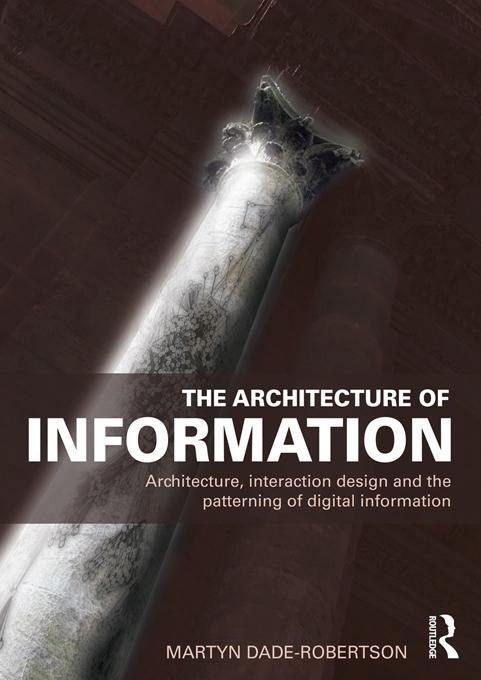
This book looks at relationships between the organization of physical objects in space and the organization of ideas. Historical, philosophical, psychological and architectural knowledge are united to develop an understanding of the relationship between information and its representation.
Despite its potential to break the mould, digital information has relied on metaphors from a pre-digital era. In particular, architectural ideas have pervaded discussions of digital information, from the urbanization of cyberspace in science fiction, through to the adoption of spatial visualizations in the design of graphical user interfaces.
This book tackles:
- the historical importance of physical places to the organization and expression of knowledge
- the limitations of using the physical organization of objects as the basis for systems of categorization and taxonomy
- the emergence of digital technologies and the twentieth century new conceptual understandings of knowledge and its organization
- the concept of disconnecting storage of information objects from their presentation and retrieval
- ideas surrounding ‘semantic space’
- the realities of the types of user interface which now dominate modern computing.
Payez facilement par carte, Klarna, Apple Pay ou Google Pay. Pas satisfait ? Vous avez toujours une garantie de remboursement de 14 jours. En savoir plus dans nos conditions. Si vous avez des questions, envoyez-nous un e-mail à hello@memmo.org.
Memmo facilite tes études, où que tu sois dans le monde. On rassemble tes manuels de cours et des outils d'étude intelligents au même endroit : résumés, quiz, podcasts et flashcards. Et il y a Ted, ton compagnon d'étude qui répond à toutes tes questions. Plus de 50 000 étudiants étudient déjà ici – conçu pour t'aider à apprendre plus vite et à moins stresser.