
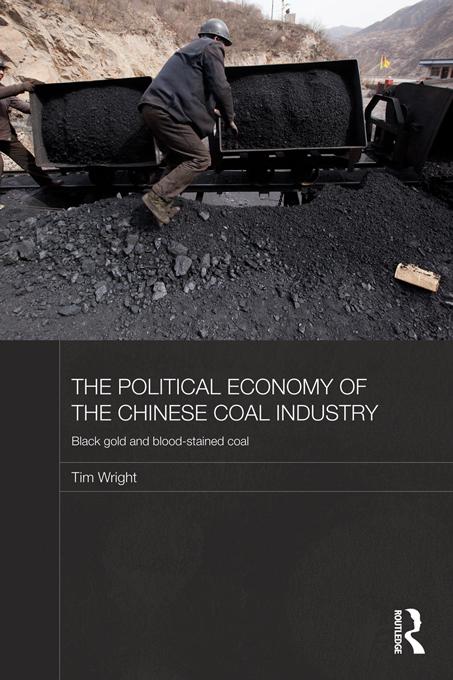
Coal mining is one of China’s largest industries, and provides an excellent case study through which to consider the broader issues of China’s transition from socialism to capitalism, focussing on the shift to a market economy, the rise of rural industry and the situation of China’s working class.
Coal was one of the pillars of the planned economy but, the author argues, its shift to market-based operations has been protracted and difficult, particularly in moving from the artificially low prices of the planned economy to market prescribed prices - a change that had a major impact on the industry’s financial performance. The book goes on to considers the growth of small rural coal mines as part of the Township and Village Enterprises (TVEs) programme; these small mines have brought prosperity to areas where small manufacturing enterprises are not competitive, but at the same time have been the cause of many social and environmental problems. It also examines the situation of coal miners - arguably one the most vulnerable segments of the Chinese working class - under socialism and under capitalism, paying particular attention to the issue of work safety and coal mine disasters. The book provides a comprehensive and coherent treatment of these issues from the establishment of the People’s Republic up to 2010.
Payez facilement par carte, Klarna, Apple Pay ou Google Pay. Pas satisfait ? Vous avez toujours une garantie de remboursement de 14 jours. En savoir plus dans nos conditions. Si vous avez des questions, envoyez-nous un e-mail à hello@memmo.org.
Memmo facilite tes études, où que tu sois dans le monde. On rassemble tes manuels de cours et des outils d'étude intelligents au même endroit : résumés, quiz, podcasts et flashcards. Et il y a Ted, ton compagnon d'étude qui répond à toutes tes questions. Plus de 50 000 étudiants étudient déjà ici – conçu pour t'aider à apprendre plus vite et à moins stresser.