
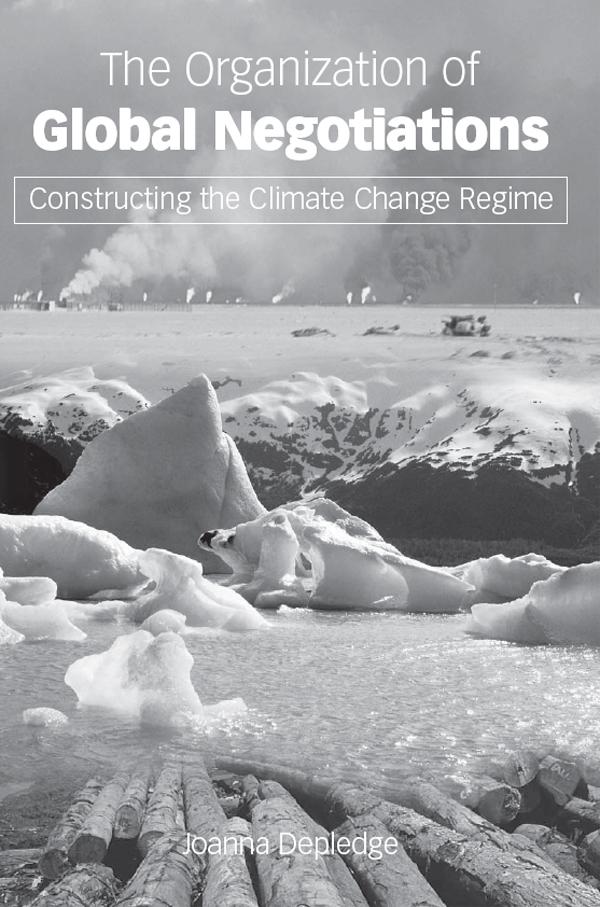
The basic assumption of this book is that the organization of a negotiation process matters.
The global negotiations on climate change involve over 180 countries and innumerable observers and other participants, addressing enormously complex and economically vital issues with conflicting agendas. For the UN to create an effective and well-supported international regime has required enormous and very skilful organization: factors such as the role of the Chair, the choice of negotiating arenas, the rules for the conduct of business and the approach of negotiating texts are usually taken for granted, and rarely attract attention until something goes wrong.
This book explores how the negotiations were organized to produce the Kyoto Protocol to the Climate Change Convention and the subsequent Bonn Agreements and Marrakesh Accords. The author draws out the lessons and implications for other intricate and far-reaching negotiations, not all of which have succeeded so far, such as the WTO trade negotiations at Seattle and Cancun.
This is essential reading for all participants in and organizers of international negotiations; and for researchers and students of international relations, climate change and environmental studies.
Payez facilement par carte, Klarna, Apple Pay ou Google Pay. Pas satisfait ? Vous avez toujours une garantie de remboursement de 14 jours. En savoir plus dans nos conditions. Si vous avez des questions, envoyez-nous un e-mail à hello@memmo.org.
Memmo facilite tes études, où que tu sois dans le monde. On rassemble tes manuels de cours et des outils d'étude intelligents au même endroit : résumés, quiz, podcasts et flashcards. Et il y a Ted, ton compagnon d'étude qui répond à toutes tes questions. Plus de 50 000 étudiants étudient déjà ici – conçu pour t'aider à apprendre plus vite et à moins stresser.