
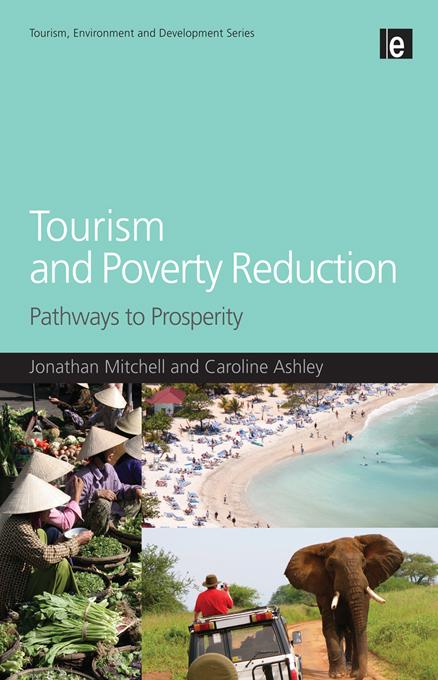
Tourism can reduce poverty in developing countries. But tourism growth is not universally inclusive of the poor. Moreover our understanding of how tourism affects the poor is largely based on partial and superficial analysis. Researchers from different disciplines and practitioners with different objectives generally work in splendid isolation from each other and from the mainstream of development economics. Detailed economic analysis remains buried and is rarely challenged for policy implications, let alone poverty implications.
This book provides an overview of a broad array of analyses of how tourism affects poor people. First, it pulls these together to identify three main pathways by which impacts on poverty can be delivered. Second, it reviews the empirical evidence on the scale and significance of impacts within each pathway, exploring where comparisons can be made and where they cannot. Finally, it considers the different methods used to gather and collect data, and implications for how we should work in the future.
Tourism and Poverty Reduction draws on international evidence throughout, but provides particular insights into Africa and other less developed countries. It makes a major contribution to a more coherent, cross-disciplinary and sensitive approach to the tourism-poverty debate.
Payez facilement par carte, Klarna, Apple Pay ou Google Pay. Pas satisfait ? Vous avez toujours une garantie de remboursement de 14 jours. En savoir plus dans nos conditions. Si vous avez des questions, envoyez-nous un e-mail à hello@memmo.org.
Memmo facilite tes études, où que tu sois dans le monde. On rassemble tes manuels de cours et des outils d'étude intelligents au même endroit : résumés, quiz, podcasts et flashcards. Et il y a Ted, ton compagnon d'étude qui répond à toutes tes questions. Plus de 50 000 étudiants étudient déjà ici – conçu pour t'aider à apprendre plus vite et à moins stresser.