
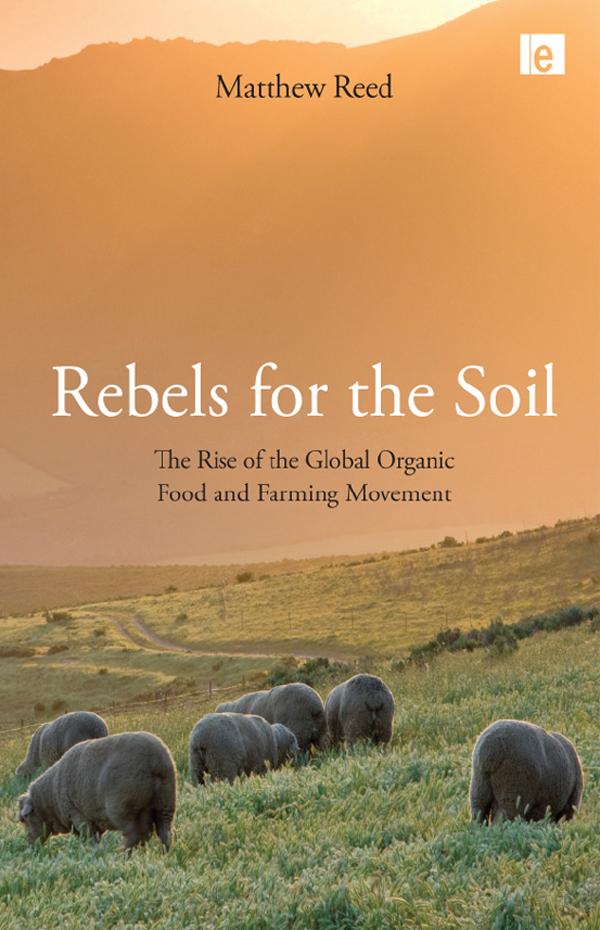
This book investigates the emergence of organic food and farming as a social movement. Using the tools of political sociology it analyzes and explains how both people and ideas have shaped a movement that from its inception aimed to change global agriculture. Starting from the British Empire in the 1930's, where the first trans-national roots of organic farming took hold, through to the internet-mediated social protests against genetically modified crops at the end of the twentieth century, the author traces the rise to prominence of the movement. As well as providing a historical account, the book explains the movement's on-going role in fostering and organising alternatives to the dominant intensive and industrial forms of agriculture, such as promoting local food produce and animal welfare.
By considering it as a trans-national movement from its inception, aiming at cultural and social change, the book highlights what is unique about the organic movement and why it has risen only relatively recently to public attention. The author reports original research findings, focusing largely on the English-speaking world. The work is grounded in academic enquiry and theory, but also provides a narrative through which the movement can be understood by the more general interested reader.
Payez facilement par carte, Klarna, Apple Pay ou Google Pay. Pas satisfait ? Vous avez toujours une garantie de remboursement de 14 jours. En savoir plus dans nos conditions. Si vous avez des questions, envoyez-nous un e-mail à hello@memmo.org.
Memmo facilite tes études, où que tu sois dans le monde. On rassemble tes manuels de cours et des outils d'étude intelligents au même endroit : résumés, quiz, podcasts et flashcards. Et il y a Ted, ton compagnon d'étude qui répond à toutes tes questions. Plus de 50 000 étudiants étudient déjà ici – conçu pour t'aider à apprendre plus vite et à moins stresser.