
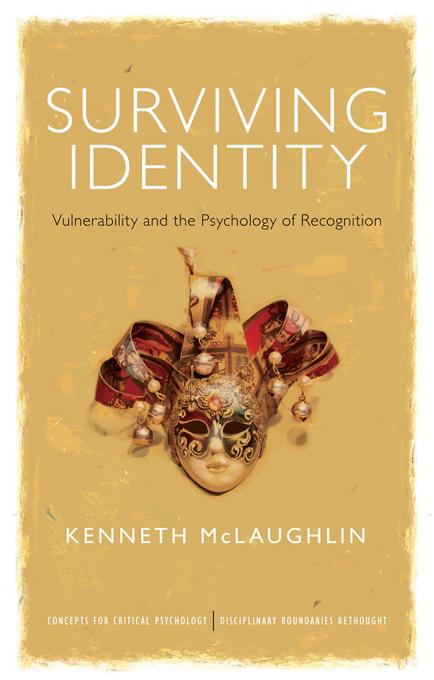
Today, political claims are increasingly made on the basis of experienced trauma and inherent vulnerability, as evidenced in the growing number of people who identify as a "survivor" of one thing or another, and also in the way in which much political discourse and social policy assumes the vulnerability of the population. This book discusses these developments in relation to the changing focus of social movements, from concerns with economic redistribution, towards campaigns for cultural recognition. As a result of this, the experience of trauma and psychological vulnerability has become a dominant paradigm within which both personal and political grievances are expressed.
Combining the psychological, social, and political aspects of the expression of individual distress and political dissent, this book provides a unique analysis of how concepts such as "vulnerability" and "trauma" have become institutionalised within politics and society. It also offers a critical appraisal of the political and personal implications of these developments, and in addition, shows how the institutionalisation of the survivor identity represents a diminished view of the human subject and our capacity to achieve progressive political and individual change.
This book will be of interest to researchers, postgraduate and undergraduate students of critical psychology, sociology, social policy, politics, social movements and mental health.
Payez facilement par carte, Klarna, Apple Pay ou Google Pay. Pas satisfait ? Vous avez toujours une garantie de remboursement de 14 jours. En savoir plus dans nos conditions. Si vous avez des questions, envoyez-nous un e-mail à hello@memmo.org.
Memmo facilite tes études, où que tu sois dans le monde. On rassemble tes manuels de cours et des outils d'étude intelligents au même endroit : résumés, quiz, podcasts et flashcards. Et il y a Ted, ton compagnon d'étude qui répond à toutes tes questions. Plus de 50 000 étudiants étudient déjà ici – conçu pour t'aider à apprendre plus vite et à moins stresser.