
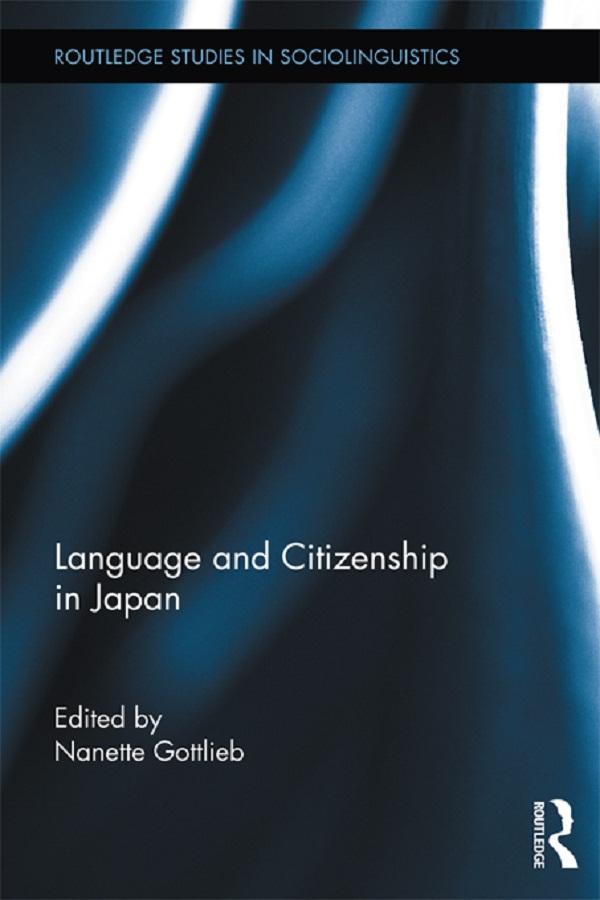
The relationship between language and citizenship in Japan has traditionally been regarded as a fixed tripartite: ‘Japanese citizenship’ means ‘Japanese ethnicity,’ which in turn means ‘Japanese as one’s first language.’ Historically, most non-Japanese who have chosen to take out citizenship have been members of the ‘oldcomer’ Chinese and Korean communities, born and raised in Japan. But this is changing: the last three decades have seen an influx of ‘newcomer’ economic migrants from a wide range of countries, many of whom choose to stay. The likelihood that they will apply for citizenship, to access the benefits it confers, means that citizenship and ethnicity can no longer be assumed to be synonyms in Japan.
This is an important change for national discourse on cohesive communities. This book’s chapters discuss discourses, educational practices, and local linguistic practices which call into question the accepted view of the language-citizenship nexus in lived contexts of both existing Japanese citizens and potential future citizens. Through an examination of key themes relating both to newcomers and to an older group of citizens whose language practices have been shaped by historical forces, these essays highlight the fluid relationship of language and citizenship in the Japanese context.
Payez facilement par carte, Klarna, Apple Pay ou Google Pay. Pas satisfait ? Vous avez toujours une garantie de remboursement de 14 jours. En savoir plus dans nos conditions. Si vous avez des questions, envoyez-nous un e-mail à hello@memmo.org.
Memmo facilite tes études, où que tu sois dans le monde. On rassemble tes manuels de cours et des outils d'étude intelligents au même endroit : résumés, quiz, podcasts et flashcards. Et il y a Ted, ton compagnon d'étude qui répond à toutes tes questions. Plus de 50 000 étudiants étudient déjà ici – conçu pour t'aider à apprendre plus vite et à moins stresser.