
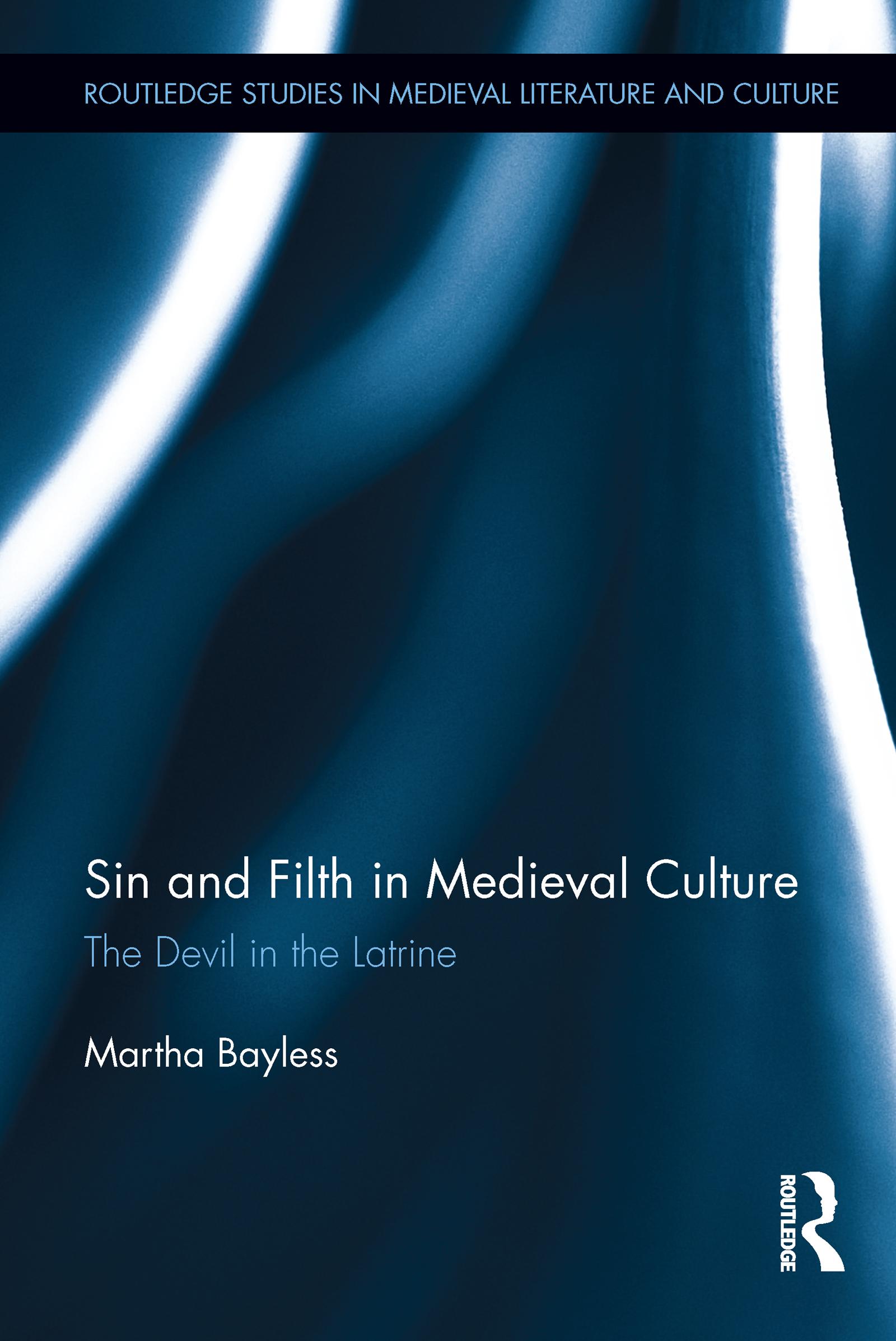
This important new contribution to the history of the body analyzes the role of filth as the material counterpart of sin in medieval thought. Using a wide range of texts, including theology, historical documents, and literature from Augustine to Chaucer, the book shows how filth was regarded as fundamental to an understanding of human history. This theological significance explains the prominence of filth and dung in all genres of medieval writing: there is more dung in theology than there is in Chaucer. The author also demonstrates the ways in which the religious understanding of filth and sin influenced the secular world, from town planning to the execution of traitors. As part of this investigation the book looks at the symbolic order of the body and the ways in which the different aspects of the body were assigned moral meanings. The book also lays out the realities of medieval sanitation, providing the first comprehensive view of real-life attempts to cope with filth. This book will be essential reading for those interested in medieval religious thought, literature, amd social history. Filled with a wealth of entertaining examples, it will also appeal to those who simply want to glimpse the medieval world as it really was.
Payez facilement par carte, Klarna, Apple Pay ou Google Pay. Pas satisfait ? Vous avez toujours une garantie de remboursement de 14 jours. En savoir plus dans nos conditions. Si vous avez des questions, envoyez-nous un e-mail à hello@memmo.org.
Memmo facilite tes études, où que tu sois dans le monde. On rassemble tes manuels de cours et des outils d'étude intelligents au même endroit : résumés, quiz, podcasts et flashcards. Et il y a Ted, ton compagnon d'étude qui répond à toutes tes questions. Plus de 50 000 étudiants étudient déjà ici – conçu pour t'aider à apprendre plus vite et à moins stresser.