
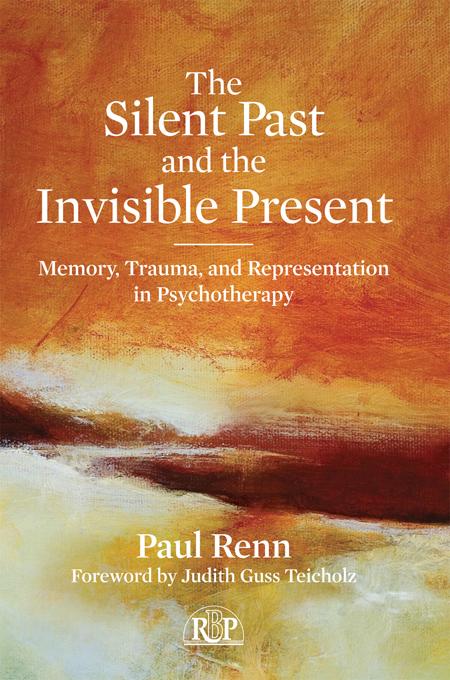
Drawing on research in the fields of cognitive and developmental psychology, attachment, trauma, and neuroscience, as well as 20 years in forensic and private practice, Paul Renn deftly illustrates the ways in which this research may be used to inform an integrated empirical/hermeneutic model of clinical practice. He suggests that silent, invisible processes derived from the past maintain non-optimal ways of experiencing and relating in the present, and that a neuroscience understanding of the dynamic nature of memories, and of the way in which the implicit and explicit memory systems operate and interact, is salient to a concomitant understanding of trauma, personality development, and therapeutic action. Specifically, Renn argues that an intersubjective psychodynamic model can use the power of an emotionally meaningful therapeutic relationship to gradually facilitate both relational and neurological changes in patients with trauma histories. Taken as a whole, these themes reflect a paradigmatic shift in psychoanalytic thinking about clinical work and the process of change.
Payez facilement par carte, Klarna, Apple Pay ou Google Pay. Pas satisfait ? Vous avez toujours une garantie de remboursement de 14 jours. En savoir plus dans nos conditions. Si vous avez des questions, envoyez-nous un e-mail à hello@memmo.org.
Memmo facilite tes études, où que tu sois dans le monde. On rassemble tes manuels de cours et des outils d'étude intelligents au même endroit : résumés, quiz, podcasts et flashcards. Et il y a Ted, ton compagnon d'étude qui répond à toutes tes questions. Plus de 50 000 étudiants étudient déjà ici – conçu pour t'aider à apprendre plus vite et à moins stresser.
Tu pourrais aussi aimer
Acheter le livre0