
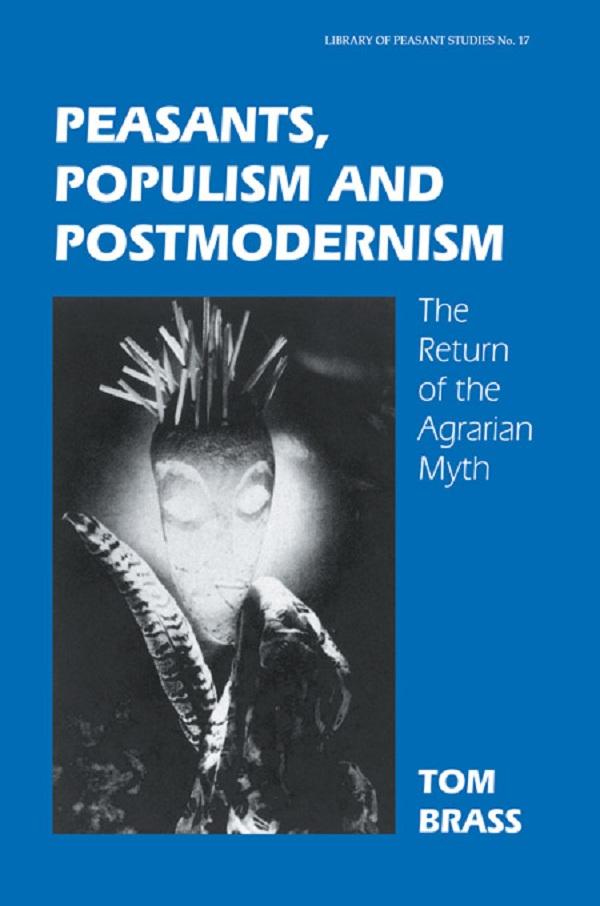
Tracing the way in which the agrarian myth has emerged and re-emerged over the past century in ideology shared by populism, postmodernism and the political right, the argument in this book is that at the centre of this discourse about the cultural identity of 'otherness'/ 'difference' lies the concept of and innate 'peasant-ness'. In a variety of contextually-specific discursive forms, the 'old' populism of the 1890s and the nationalism and fascism in Europe, America and Asia during the 1920s and 1930s were all informed by the agrarian myth. The postmodern 'new' populism and the 'new' right, both of which emerged after the 1960s and consolidated during the 1990s, are also structured discursively by the agrarian myth, and with it the ideological reaffirmation of peasant essentialism.
Payez facilement par carte, Klarna, Apple Pay ou Google Pay. Pas satisfait ? Vous avez toujours une garantie de remboursement de 14 jours. En savoir plus dans nos conditions. Si vous avez des questions, envoyez-nous un e-mail à hello@memmo.org.
Memmo facilite tes études, où que tu sois dans le monde. On rassemble tes manuels de cours et des outils d'étude intelligents au même endroit : résumés, quiz, podcasts et flashcards. Et il y a Ted, ton compagnon d'étude qui répond à toutes tes questions. Plus de 50 000 étudiants étudient déjà ici – conçu pour t'aider à apprendre plus vite et à moins stresser.
Tu pourrais aussi aimer
Acheter le livre0