
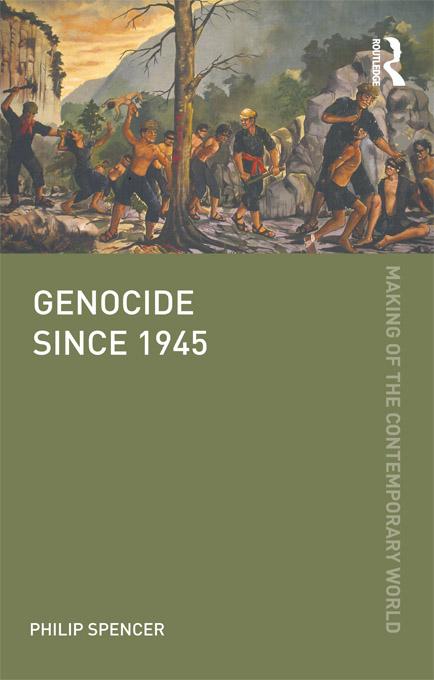
In 1948 the United Nations passed the Genocide Convention. The international community was now obligated to prevent or halt what had hitherto, in Winston Churchill’s words, been a "crime without a name", and to punish the perpetrators. Since then, however, genocide has recurred repeatedly. Millions of people have been murdered by sovereign nation states, confident in their ability to act with impunity within their own borders.
Tracing the history of genocide since 1945, and looking at a number of cases across continents and decades, this book discusses a range of critical and inter-connected issues such as:
- why this crime is different, why exactly it is said to be "the crime of crimes"
- how each genocide involves a deadly triangle of perpetrators (with their collaborators), victims and bystanders as well as rescuers
- the different stages that genocides go through, from conception to denial
- the different explanations that have been put forward for why genocide takes place
- and the question of humanitarian intervention.
Genocide since 1945 aims to help the reader understand how, when, where and why this crime has been committed since 1945, why it has proven so difficult to halt or prevent its recurrence, and what now might be done about it. It is essential reading for all those interested in the contemporary world.
Payez facilement par carte, Klarna, Apple Pay ou Google Pay. Pas satisfait ? Vous avez toujours une garantie de remboursement de 14 jours. En savoir plus dans nos conditions. Si vous avez des questions, envoyez-nous un e-mail à hello@memmo.org.
Memmo facilite tes études, où que tu sois dans le monde. On rassemble tes manuels de cours et des outils d'étude intelligents au même endroit : résumés, quiz, podcasts et flashcards. Et il y a Ted, ton compagnon d'étude qui répond à toutes tes questions. Plus de 50 000 étudiants étudient déjà ici – conçu pour t'aider à apprendre plus vite et à moins stresser.