
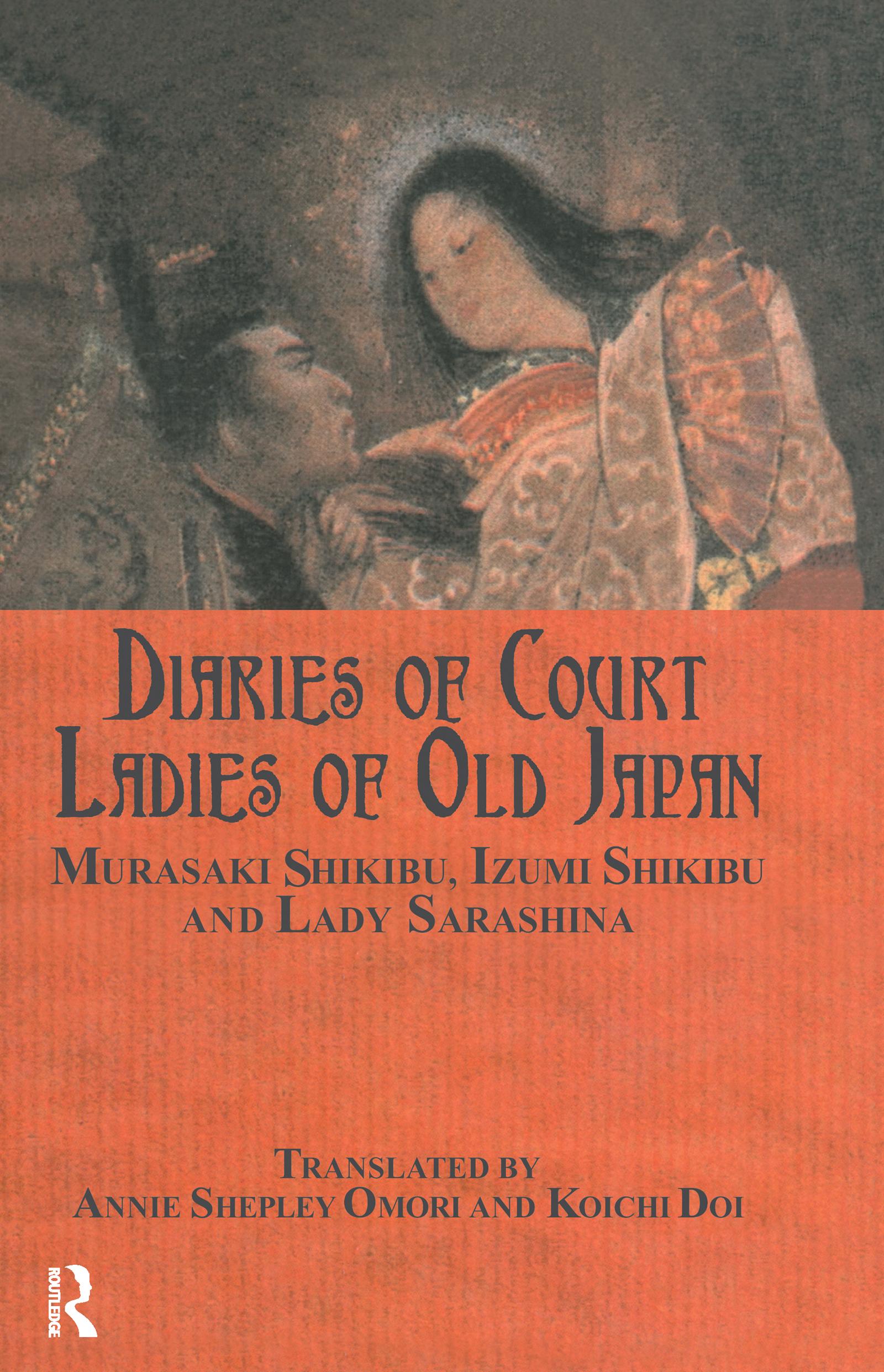
The Heian period (794-1186AD) of Japanese history - the setting of The Tale of Genji - was an era of unsurpassed refinement in art and literature, in which women played a unique role. Dominated by the mighty Fujiwara clan, the Japanese court was the bright centre of a world in which rare and exquisite taste in poetry, art, calligraphy, dress, incense, colour, even the selection of gifts, was cultivated to an amazing degree. This gossamer veil of beauty masked another reality of political intrigue and passionate rivalries which intensified the heady atmosphere of a court in which flirtations and love affairs were endemic. Cultivated and artistic women held a privileged position at court, and they perfected the literary genre of diaries that combined subtlety, strength and starkness in their depictions of life in this enclosed and dream-like world. These diaries are among the jewels of Japanese literature and three are presented here - The Sarashina Diary, the Diary of Izumi Shikibu and the Diary of Murasaki Shikibu - with an introduction by the poet Amy Lowell, an early admirer of Japanese literature.
Payez facilement par carte, Klarna, Apple Pay ou Google Pay. Pas satisfait ? Vous avez toujours une garantie de remboursement de 14 jours. En savoir plus dans nos conditions. Si vous avez des questions, envoyez-nous un e-mail à hello@memmo.org.
Memmo facilite tes études, où que tu sois dans le monde. On rassemble tes manuels de cours et des outils d'étude intelligents au même endroit : résumés, quiz, podcasts et flashcards. Et il y a Ted, ton compagnon d'étude qui répond à toutes tes questions. Plus de 50 000 étudiants étudient déjà ici – conçu pour t'aider à apprendre plus vite et à moins stresser.