
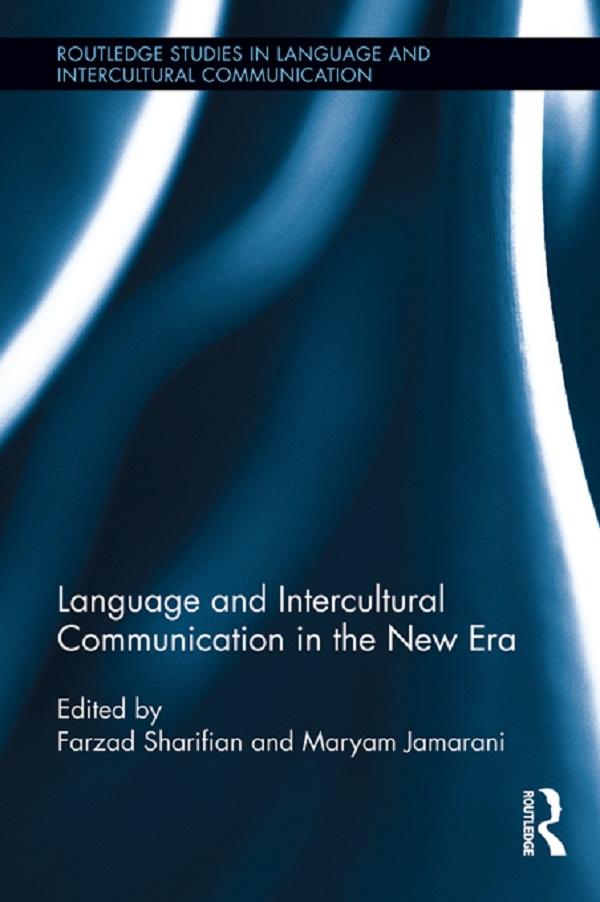
Studies of intercultural communication in applied linguistics initially focused on miscommunication, mainly between native and non-native speakers of English. The advent of the twenty-first century has witnessed, however, a revolution in the contexts and contents of intercultural communication; technological advances such as chat rooms, emails, personal weblogs, Facebook, Twitter, mobile text messaging on the one hand, and the accelerated pace of people’s international mobility on the other have given a new meaning to the term 'intercultural communication'.
Given the remarkable growth in the prevalence of intercultural communication among people from many cultural backgrounds, and across many contexts and channels, conceptual divides such as 'native/non-native' are now almost irrelevant. This has caused the power attached to English and native speaker-like English to lose much of its automatic domination. Such developments have provided new opportunities, as well as challenges, for the study of intercultural communication and its increasingly complex nature. This book showcases recent studies in the field in a multitude of contexts to enable a collective effort towards advancements in the area.
Payez facilement par carte, Klarna, Apple Pay ou Google Pay. Pas satisfait ? Vous avez toujours une garantie de remboursement de 14 jours. En savoir plus dans nos conditions. Si vous avez des questions, envoyez-nous un e-mail à hello@memmo.org.
Memmo facilite tes études, où que tu sois dans le monde. On rassemble tes manuels de cours et des outils d'étude intelligents au même endroit : résumés, quiz, podcasts et flashcards. Et il y a Ted, ton compagnon d'étude qui répond à toutes tes questions. Plus de 50 000 étudiants étudient déjà ici – conçu pour t'aider à apprendre plus vite et à moins stresser.