
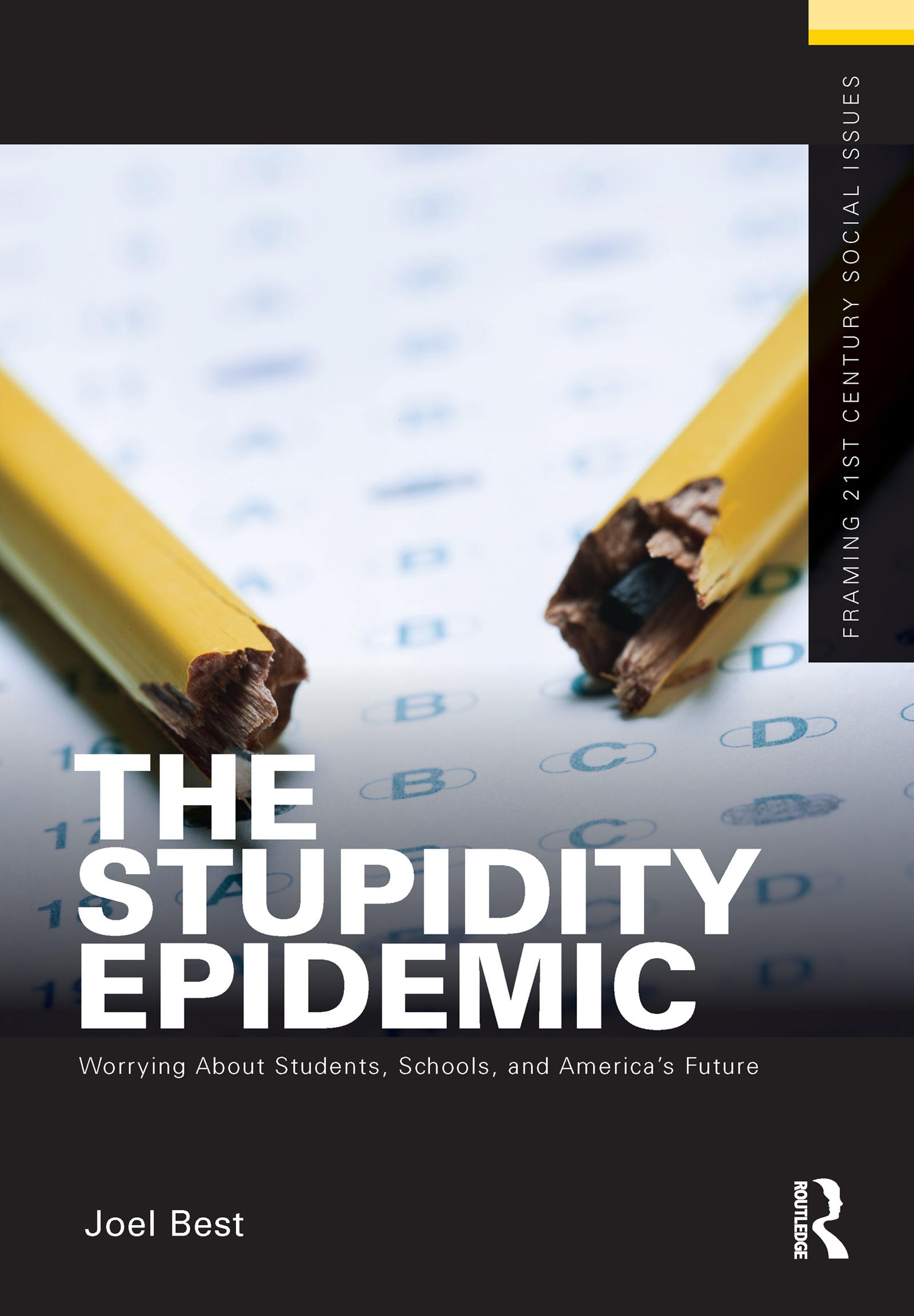
Critics often warn that American schools are failing, and that our students are ill-prepared for the challenges the future holds, and may even be "the dumbest generation." We can think of these claims as warning about a Stupidity Epidemic. This essay begins by tracing the history of the idea of that American students, teachers, and schools are somehow getting worse; the record shows that critics have been issuing such warnings for more than 150 years. It then examines four sets of data that speak to whether educational deterioration is taking place. First, data on educational attainment show a clear trend: more students are getting more education. Second, standardized test scores suggest that American students are performing somewhat better; certainly most test scores do not indicate that students are getting worse. Third, measures of popular knowledge also show evidence of improvement. Fourth, there is clear evidence that IQ scores have been rising. In other words, the best available evidence fails to support claims about a Stupidity Epidemic. The essay then turns to exploring several reasons why belief in educational decline is so common, and concludes by suggesting some more useful ways to think about educational problems.
The goal of this new, unique Series is to offer readable, teachable "thinking frames" on today’s social problems and social issues by leading scholars, all in short 60 page or shorter formats, and available for view on http://routledge.customgateway.com/routledge-social-issues.html
For instructors teaching a wide range of courses in the social sciences, the Routledge Social Issues Collection now offers the best of both worlds: originally written short texts that provide "overviews" to important social issues as well as teachable excerpts from larger works previously published by Routledge and other presses.
Payez facilement par carte, Klarna, Apple Pay ou Google Pay. Pas satisfait ? Vous avez toujours une garantie de remboursement de 14 jours. En savoir plus dans nos conditions. Si vous avez des questions, envoyez-nous un e-mail à hello@memmo.org.
Memmo facilite tes études, où que tu sois dans le monde. On rassemble tes manuels de cours et des outils d'étude intelligents au même endroit : résumés, quiz, podcasts et flashcards. Et il y a Ted, ton compagnon d'étude qui répond à toutes tes questions. Plus de 50 000 étudiants étudient déjà ici – conçu pour t'aider à apprendre plus vite et à moins stresser.