
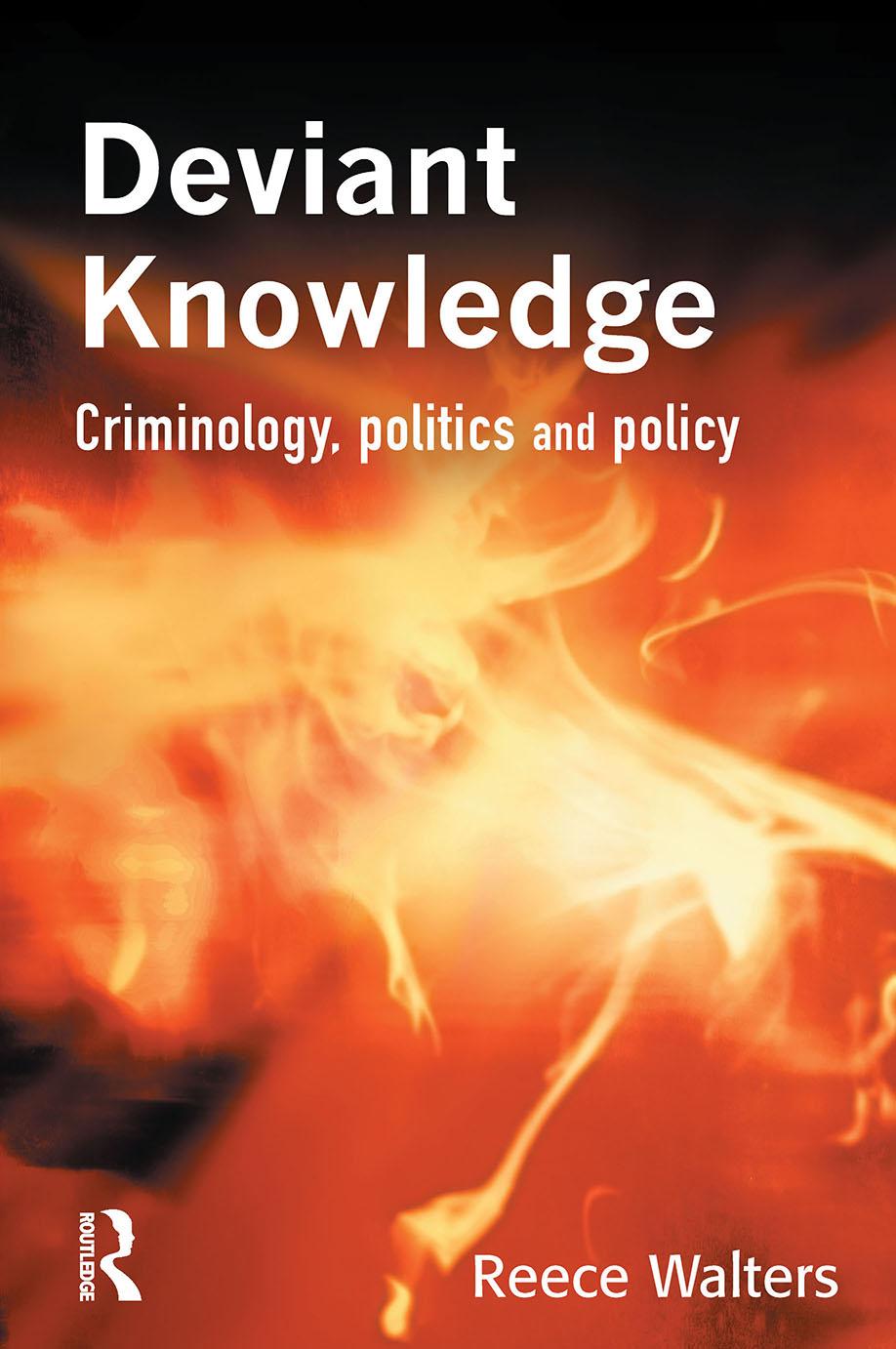
In this important and original book, Reece Walters examines the politics of criminology and the ways in which criminological knowledge is generated. It includes an overview of the politics and practice of conducting criminological research (drawing upon material from Britain, Europe, Australia, New Zealand and the USA), and the ways that regulatory and governing authorities set research agendas, manipulate the processes and production of knowledge and silence or suppress critical voices through various techniques of neutralisation.
The book argues for 'knowledges of resistance' - a position that promotes critique, challenges concepts of power and social order, wrestles with notions of truth and adheres to intellectual autonomy and independence. It provides invaluable insights into the relationship between the criminological researcher, public officials and corporate representatives. Drawing upon a wide range of interviews with academics and administrators from government and business, the book provides rare insights into the ways that knowledge about crime and criminal justice is produced and consumed, revealing why certain topics of criminological enquiry are rarely funded and why others receive ongoing political and governmental support.
The book will be essential reading for anybody interested in the development of criminological theory and research, and the context and influences that shape it.
Payez facilement par carte, Klarna, Apple Pay ou Google Pay. Pas satisfait ? Vous avez toujours une garantie de remboursement de 14 jours. En savoir plus dans nos conditions. Si vous avez des questions, envoyez-nous un e-mail à hello@memmo.org.
Memmo facilite tes études, où que tu sois dans le monde. On rassemble tes manuels de cours et des outils d'étude intelligents au même endroit : résumés, quiz, podcasts et flashcards. Et il y a Ted, ton compagnon d'étude qui répond à toutes tes questions. Plus de 50 000 étudiants étudient déjà ici – conçu pour t'aider à apprendre plus vite et à moins stresser.