
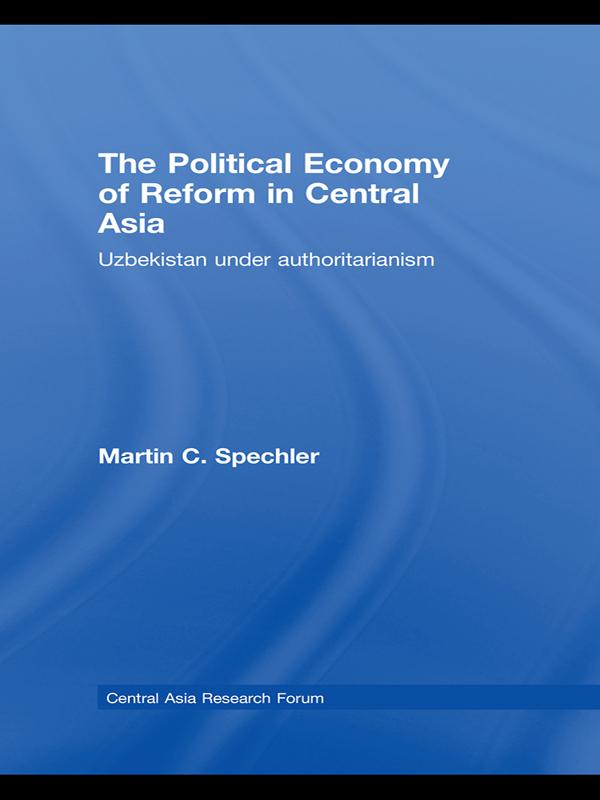
This book examines the economic reforms and material progress made since the Central Asian republics became independent from the Soviet Union in 1991. Without some of the neo-liberal reforms recommended by the "Washington Consensus" and with an authoritarian presidency, Uzbekistan, the largest of these countries, has nevertheless achieved modest economic growth, stability, and a relatively impressive degree of income equality. The country has also preserved its economic and political independence from the great powers — Russia, China, and the USA — who are rivals for influence and energy in Central Asia. Human rights have been poorly enforced, though occasional thaws have also taken place.
In second half of the book features a comparative analysis of four Central Asian states, all super-presidential authoritarianisms but with very different resource endowments and external commitments. A separate chapter deals with the energy resources of the region and the challenges of bringing oil and gas to the world market, and the question of whether Central Asian states will return to the Russian sphere of influence or seek closer ties with Asia or Europe is examined. The book concludes with prospects for future political and economic progress in the key Central Asian states.
Payez facilement par carte, Klarna, Apple Pay ou Google Pay. Pas satisfait ? Vous avez toujours une garantie de remboursement de 14 jours. En savoir plus dans nos conditions. Si vous avez des questions, envoyez-nous un e-mail à hello@memmo.org.
Memmo facilite tes études, où que tu sois dans le monde. On rassemble tes manuels de cours et des outils d'étude intelligents au même endroit : résumés, quiz, podcasts et flashcards. Et il y a Ted, ton compagnon d'étude qui répond à toutes tes questions. Plus de 50 000 étudiants étudient déjà ici – conçu pour t'aider à apprendre plus vite et à moins stresser.