
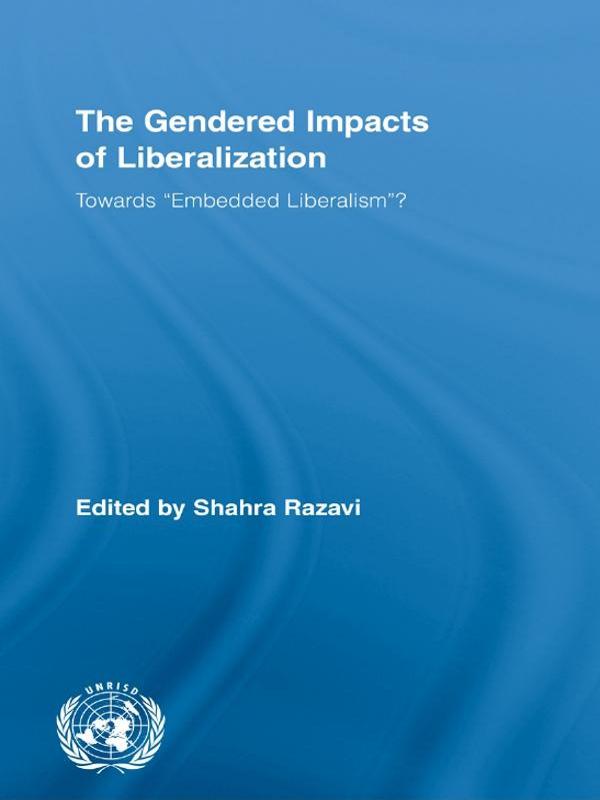
In the last two decades public policies have reflected a drive for accelerated global economic integration ("globalization"), associated with greater economic liberalization. The outcomes have been largely disappointing, even in the estimate of their designers. Rural livelihoods have become more insecure, and the expected growth has rarely materialized. Insecurity is also etched into the growth of informal economies across the world. Yet the economic policy agenda that has been so adverse to many people around the world has also provided new opportunities to some social groups, including some low-income women. In response to widespread discontent with the liberalization agenda, more attention is now being given to social policies and governance issues, viewed as necessary if globalization is to be "tamed" and "embedded". The contributors to this volume address key issues and questions such as whether states have the capacity to remedy the social distress unleashed by liberalization in the absence of any major revision of their macroeconomic policies and whether the proposed social policy reforms can redress gender-based inequalities in access to resources and power.
Payez facilement par carte, Klarna, Apple Pay ou Google Pay. Pas satisfait ? Vous avez toujours une garantie de remboursement de 14 jours. En savoir plus dans nos conditions. Si vous avez des questions, envoyez-nous un e-mail à hello@memmo.org.
Memmo facilite tes études, où que tu sois dans le monde. On rassemble tes manuels de cours et des outils d'étude intelligents au même endroit : résumés, quiz, podcasts et flashcards. Et il y a Ted, ton compagnon d'étude qui répond à toutes tes questions. Plus de 50 000 étudiants étudient déjà ici – conçu pour t'aider à apprendre plus vite et à moins stresser.