
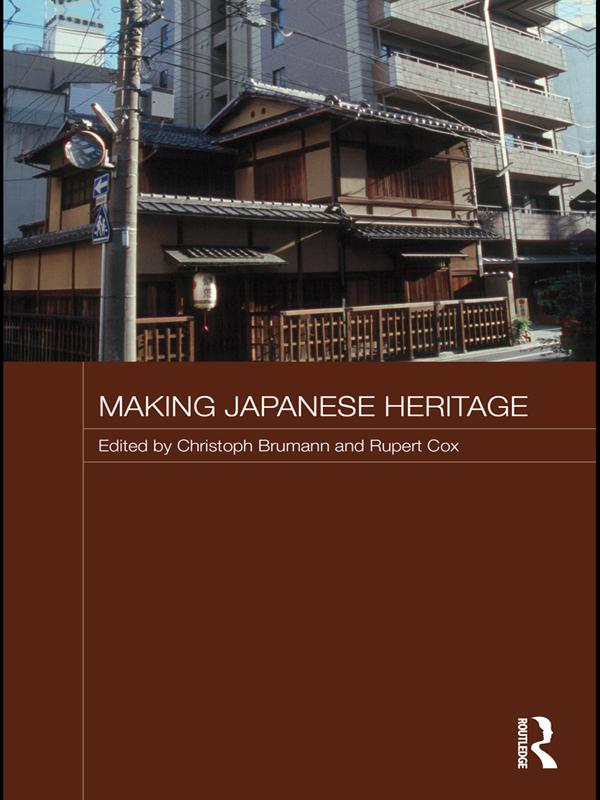
This book examines the making of heritage in contemporary Japan, investigating the ways in which particular objects, practices and institutions are ascribed public recognition and political significance. Through detailed ethnographic and historical case studies, it analyses the social, economic, and even global political dimensions of cultural heritage. It shows how claims to heritage status in Japan stress different material qualities of objects, places and people - based upon their ages, originality and usage. Following on an introduction that thoroughly assesses the field, the ethnographic and historiographic case studies range from geisha; noh masks; and the tea ceremony; urban architecture; automata; a utopian commune and the sites of Mitsubishi company history. They examine how their heritage value is made and re-made, and appraise the construction of heritage in cases where the heritage value resides in the very substance of the object’s material composition - for example, in architecture, landscapes and designs - and show how the heritage industry adds values to existing assets: such as sacredness, urban charm or architectural and ethnic distinctiveness. The book questions the interpretation of material heritage as an enduring expression of social relations, aesthetic values and authenticity which, once conferred, undergoes no subsequent change, and standard dismissals of heritage as merely a tool for enshrining the nation; supporting the powerful; fostering nostalgic escapism; or advancing capitalist exploitation. Finally, it considers the role of people as agents of heritage production, and analyses the complexity of the relationships between people and objects. This book is a rigorous assessment of how conceptions of Japanese heritage have been forged, and provides a wealth of evidence that questions established assumptions on the nature and social roles of heritage.
Payez facilement par carte, Klarna, Apple Pay ou Google Pay. Pas satisfait ? Vous avez toujours une garantie de remboursement de 14 jours. En savoir plus dans nos conditions. Si vous avez des questions, envoyez-nous un e-mail à hello@memmo.org.
Memmo facilite tes études, où que tu sois dans le monde. On rassemble tes manuels de cours et des outils d'étude intelligents au même endroit : résumés, quiz, podcasts et flashcards. Et il y a Ted, ton compagnon d'étude qui répond à toutes tes questions. Plus de 50 000 étudiants étudient déjà ici – conçu pour t'aider à apprendre plus vite et à moins stresser.