
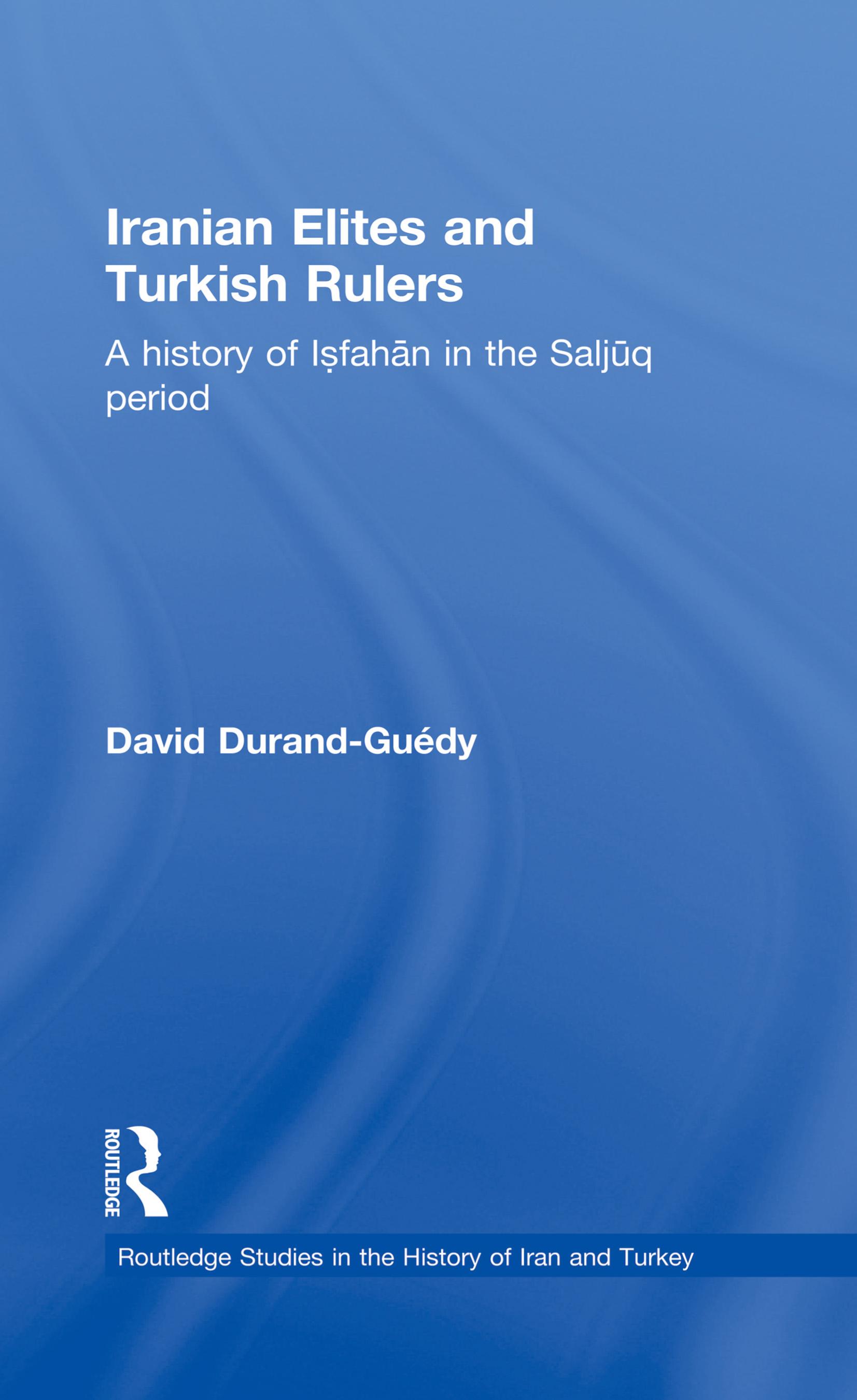
The Saljuq period of the eleventh and twelfth centuries saw the arrival in Iran of Türkmen nomads from Central Asia and the beginning of Turkish rule. Through the example of the city of Isfahan, the book analyses the internal evolution of Iranian society in this period and the interaction of the Iranian elites and Turkish rulers.
Drawing on an analysis of a wide range of sources, including poetic and epistolary material, this study fills an historiographical gap and casts new light on the two centuries prior to the Mongol invasion. This comprehensive analytical study provides a new contribution to the understanding of many crucial issues: the cultural divide between Western and Eastern Iran; the military potential of city-dwellers; the attitude of the Turkish rulers toward cities and city life; the action of the famous vizier Nizam al-Mulk; the meaning of the Ismaili uprising; and above all the structure of the local elite, organized into rival networks and largely autonomous vis-à-vis state powers.
The study is enhanced by a variety of additional features, including extensive genealogical tables, Arabic script and maps. Providing a new understanding of the cultural identity of Iran, this book is an important contribution to the study of the history of Iran and the Medieval period.
Payez facilement par carte, Klarna, Apple Pay ou Google Pay. Pas satisfait ? Vous avez toujours une garantie de remboursement de 14 jours. En savoir plus dans nos conditions. Si vous avez des questions, envoyez-nous un e-mail à hello@memmo.org.
Memmo facilite tes études, où que tu sois dans le monde. On rassemble tes manuels de cours et des outils d'étude intelligents au même endroit : résumés, quiz, podcasts et flashcards. Et il y a Ted, ton compagnon d'étude qui répond à toutes tes questions. Plus de 50 000 étudiants étudient déjà ici – conçu pour t'aider à apprendre plus vite et à moins stresser.