
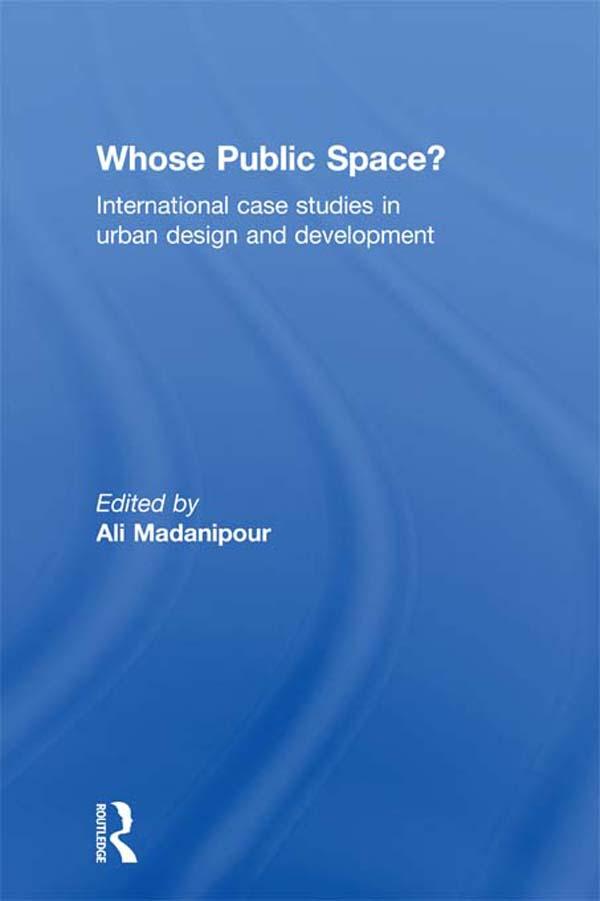
Public spaces mirror the complexities of urban societies: as historic social bonds have weakened and cities have become collections of individuals public open spaces have also changed from being embedded in the social fabric of the city to being a part of more impersonal and fragmented urban environments. Can making public spaces help overcome this fragmentation, where accessible spaces are created through inclusive processes? This book offers some answers to this question through analysing the process of urban design and development in international case studies, in which the changing character, level of accessibility, and the tensions of making public spaces are explored.
The book uses a coherent theoretical outlook to investigate a series of case studies, crossing the cultural divides to examine the similarities and differences of public space in different urban contexts, and its critical analysis of the process of development, management and use of public space, with all its tensions and conflicts. While each case study investigates the specificities of a particular city, the book outlines some general themes in global urban processes. It shows how public spaces are a key theme in urban design and development everywhere, how they are appreciated and used by the people of these cities, but also being contested by and under pressure from different stakeholders.
Payez facilement par carte, Klarna, Apple Pay ou Google Pay. Pas satisfait ? Vous avez toujours une garantie de remboursement de 14 jours. En savoir plus dans nos conditions. Si vous avez des questions, envoyez-nous un e-mail à hello@memmo.org.
Memmo facilite tes études, où que tu sois dans le monde. On rassemble tes manuels de cours et des outils d'étude intelligents au même endroit : résumés, quiz, podcasts et flashcards. Et il y a Ted, ton compagnon d'étude qui répond à toutes tes questions. Plus de 50 000 étudiants étudient déjà ici – conçu pour t'aider à apprendre plus vite et à moins stresser.