
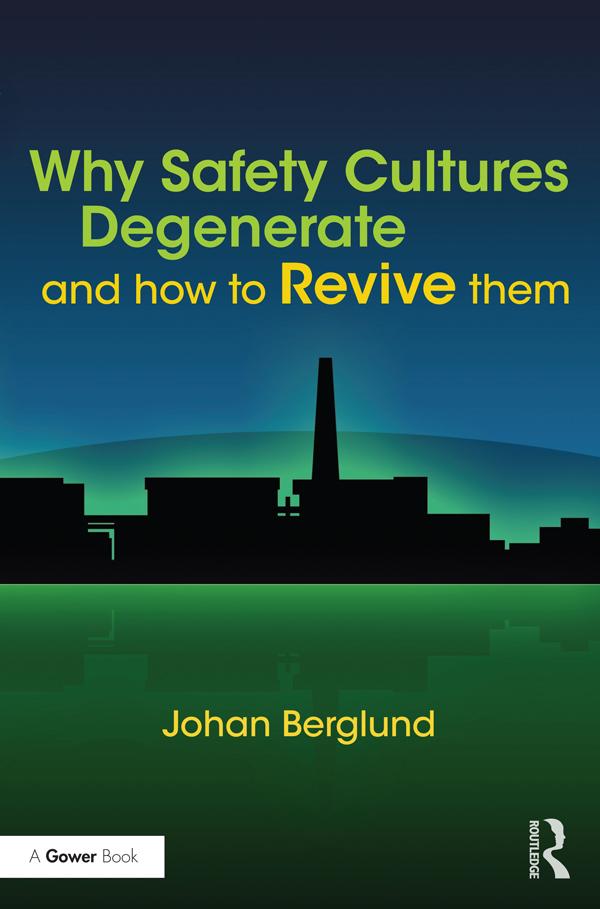
From Chernobyl to Fukushima, have we come full circle, where formalisation has replaced ambiguity and a decadent style of management, to the point where it is becoming counter-productive? Safety culture is a contested concept and a complex phenomenon, which has been much debated in recent years. In some high-risk activities, like the operating of nuclear power plants, transparency, traceability and standardisation have become synonymous with issues of quality. Meanwhile, the experience-based knowledge that forms the basis of manuals and instructions is liable to decline. In the long-term, arguably, it is the cultural changes and its adverse impacts on co-operation, skill and ability of judgement that will pose the greater risks to the safety of nuclear plants and other high-risk facilities. Johan Berglund examines the background leading up to the Fukushima Daiichi accident in 2011 and highlights the function of practical proficiency in the quality and safety of high-risk activities. The accumulation of skill represents a more indirect and long-term approach to quality, oriented not towards short-term gains but (towards) delayed gratification. Risk management and quality professionals and academics will be interested in the links between skill, quality and safety-critical work as well as those interested in a unique insight into Japanese culture and working life as well as fresh perspectives on safety culture.
Payez facilement par carte, Klarna, Apple Pay ou Google Pay. Pas satisfait ? Vous avez toujours une garantie de remboursement de 14 jours. En savoir plus dans nos conditions. Si vous avez des questions, envoyez-nous un e-mail à hello@memmo.org.
Memmo facilite tes études, où que tu sois dans le monde. On rassemble tes manuels de cours et des outils d'étude intelligents au même endroit : résumés, quiz, podcasts et flashcards. Et il y a Ted, ton compagnon d'étude qui répond à toutes tes questions. Plus de 50 000 étudiants étudient déjà ici – conçu pour t'aider à apprendre plus vite et à moins stresser.