
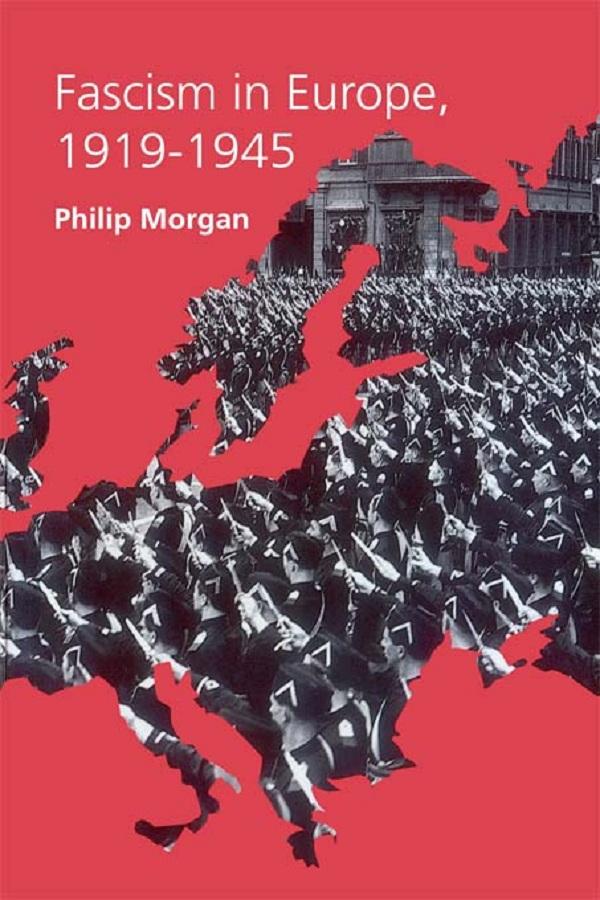
Fascism in Europe, 1919-1945 surveys the phenomenon which is still the object of interest and debate over fifty years after its defeat in the Second World War. It introduces the recent scholarship and continuing debates on the nature of fascism as well as the often contentious contributions by foreign historians and political scientists.
From the pre-First World War intellectual origins of Fascism to its demise in 1945, this book examines:
* the two 'waves' of fascism - in the immediate post-war period and in the late 1920s and early 1930s
* whether the European crisis created by the Treaty of Versailles allowed fascism to take root
* why fascism came to power in Italy and Germany, but not anywhere else in Europe
* fascism's own claim to be an international and internationalist movement
* the idea of 'totalitarianism' as the most useful and appropriate way of analyzing the fascist regimes.
Payez facilement par carte, Klarna, Apple Pay ou Google Pay. Pas satisfait ? Vous avez toujours une garantie de remboursement de 14 jours. En savoir plus dans nos conditions. Si vous avez des questions, envoyez-nous un e-mail à hello@memmo.org.
Memmo facilite tes études, où que tu sois dans le monde. On rassemble tes manuels de cours et des outils d'étude intelligents au même endroit : résumés, quiz, podcasts et flashcards. Et il y a Ted, ton compagnon d'étude qui répond à toutes tes questions. Plus de 50 000 étudiants étudient déjà ici – conçu pour t'aider à apprendre plus vite et à moins stresser.