
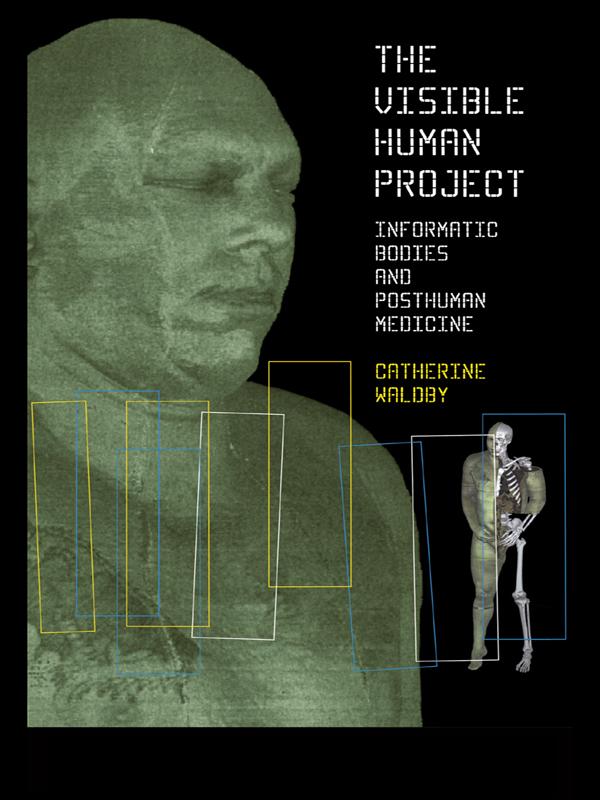
The Visible Human Project is a critical investigation of the spectacular, three-dimensional recordings of real human bodies - dissected, photographed and converted into visual data files - made by the US National Library of Medicine in Baltimore. Catherine Waldby uses new ideas from cultural studies, science studies and social studies of the computer to situate the Visible Human Project in its historical and cultural context, and to consider the meanings such an object has within a computerised culture.
In this fascinating and important book, Catherine Waldby explores how advances in medical technologies have changed the way we view and study the human body, and places the VHP within the history of technologies such as the X-ray and CT-scan, which allow us to view the human interior.
Bringing together medical conceptions of the human body with theories of visual culture from Foucault to Donna Haraway, Waldby links the VHP to a range of other biomedical projects, such as the Human Genome Project and cloning, which approach living bodies as data sources. She argues that the VHP is an example of the increasingly blurred distinction between `living' and 'dead' human bodies, as the bodies it uses are digitally preserved as a resource for living bodies, and considers how computer-based biotechnologies affect both medical and non-medical meanings of the body's life and death, its location and its limits.
Payez facilement par carte, Klarna, Apple Pay ou Google Pay. Pas satisfait ? Vous avez toujours une garantie de remboursement de 14 jours. En savoir plus dans nos conditions. Si vous avez des questions, envoyez-nous un e-mail à hello@memmo.org.
Memmo facilite tes études, où que tu sois dans le monde. On rassemble tes manuels de cours et des outils d'étude intelligents au même endroit : résumés, quiz, podcasts et flashcards. Et il y a Ted, ton compagnon d'étude qui répond à toutes tes questions. Plus de 50 000 étudiants étudient déjà ici – conçu pour t'aider à apprendre plus vite et à moins stresser.