
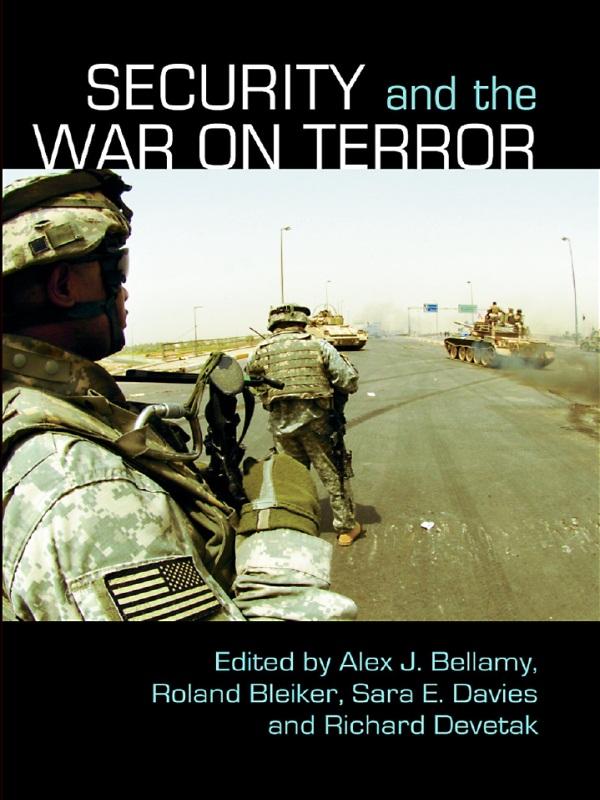
The terrorist attacks of 11 September 2001 marked a turning point in international politics, representing a new type of threat that could not easily be anticipated or prevented through state-based structures of security alone. Opening up interdisciplinary conversations between strategic, economic, ethical and legal approaches to global terrorism, this edited book recognises a fundamental issue: while major crises initially tend to reinforce old thinking and behavioural patterns, they also allow societies to challenge and overcome entrenched habits, thereby creating the foundations for a new and perhaps more peaceful future.
This volume addresses the issues that are at stake in this dual process of political closure, and therefore rethinks how states can respond to terrorist threats. The contributors range from leading conceptual theorists to policy-oriented analysts, from senior academics to junior researchers. The book explores how terrorism has had a profound impact on how security is being understood and implemented, and uses a range of hitherto neglected sources of insight, such as those between political, economic, legal and ethical factors, to examine the nature and meaning of security in a rapidly changing world.
Payez facilement par carte, Klarna, Apple Pay ou Google Pay. Pas satisfait ? Vous avez toujours une garantie de remboursement de 14 jours. En savoir plus dans nos conditions. Si vous avez des questions, envoyez-nous un e-mail à hello@memmo.org.
Memmo facilite tes études, où que tu sois dans le monde. On rassemble tes manuels de cours et des outils d'étude intelligents au même endroit : résumés, quiz, podcasts et flashcards. Et il y a Ted, ton compagnon d'étude qui répond à toutes tes questions. Plus de 50 000 étudiants étudient déjà ici – conçu pour t'aider à apprendre plus vite et à moins stresser.