
Fish have been a major component of our diet and it has been suggested that fish/seafood consumption contributed to the development of the human brain, and this together with the acquisition of bipedalism, perhaps made us what we are. In the modern context global fish consumption is increasing. However, unlike our other staples, until a few years back the greater proportion of our fish supplies were of a hunted origin. This scenario is changing and a greater proportion of fish we consume now is of farmed origin.
Aquaculture, the farming of waters, is thought to have originated in China, many millennia ago. Nevertheless, it transformed into a major food sector only since the second half of the last century, and continues to forge ahead, primarily in the developing world. China leads the global aquaculture production in volume, in the number of species that are farmed, and have contributed immensely to transforming the practices from an art to a science.
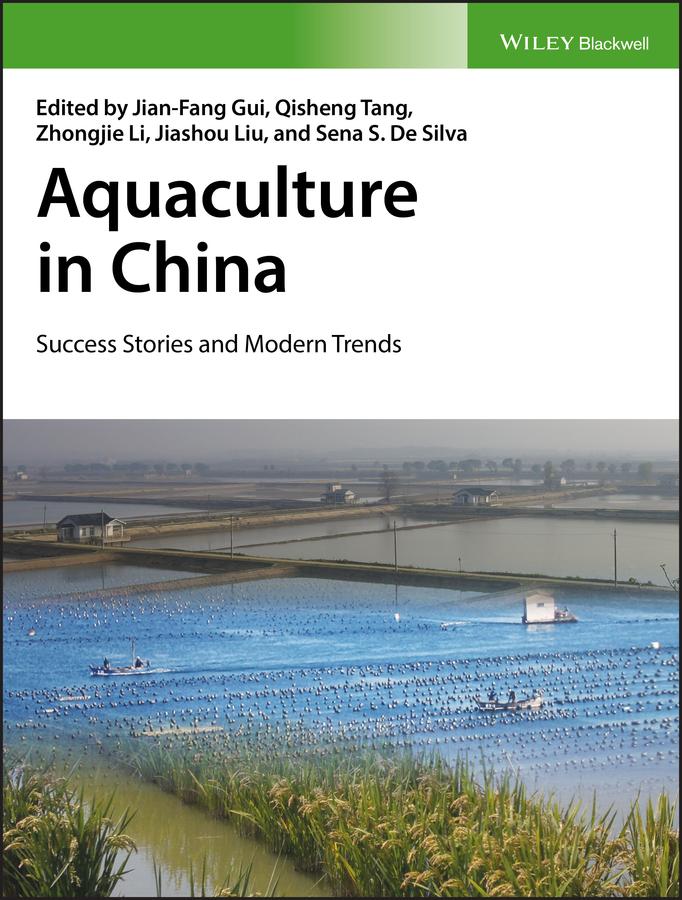
This book attempts to capture some of the key elements and practices that have contributed to the success of Chinese aquaculture. The book entails contributions from over 100 leading experts in China, and provides insights into some aquaculture practices that are little known to the rest of the world. This book will be essential reading for aquaculturists, practitioners, researchers and students, and planners and developers.Payez facilement par carte, Klarna, Apple Pay ou Google Pay. Pas satisfait ? Vous avez toujours une garantie de remboursement de 14 jours. En savoir plus dans nos conditions. Si vous avez des questions, envoyez-nous un e-mail à hello@memmo.org.
Memmo facilite tes études, où que tu sois dans le monde. On rassemble tes manuels de cours et des outils d'étude intelligents au même endroit : résumés, quiz, podcasts et flashcards. Et il y a Ted, ton compagnon d'étude qui répond à toutes tes questions. Plus de 50 000 étudiants étudient déjà ici – conçu pour t'aider à apprendre plus vite et à moins stresser.