
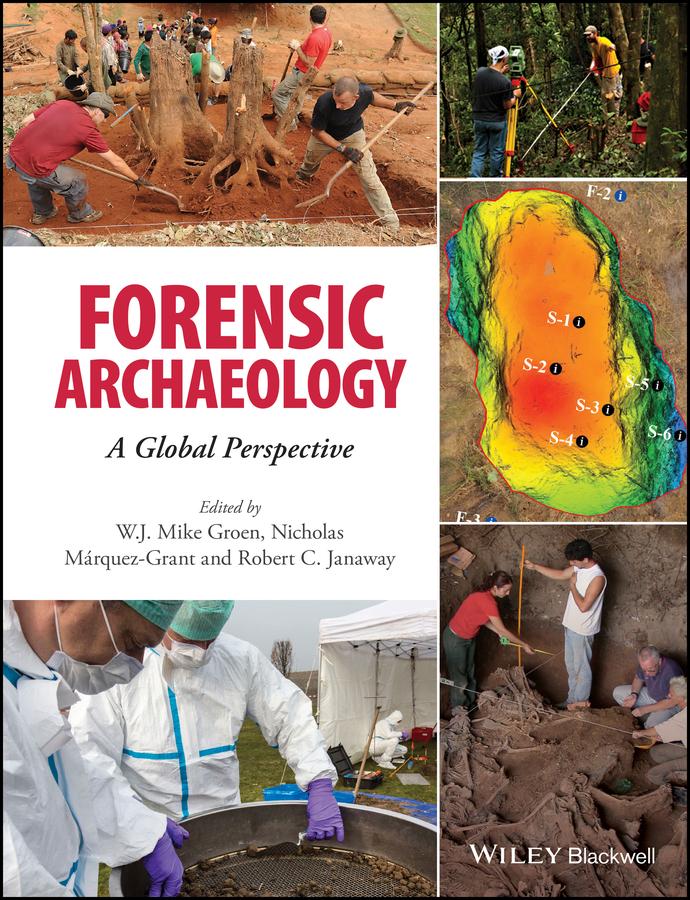
Forensic archaeology is mostly defined as the use of archaeological methods and principles within a legal context. However, such a definition only covers one aspect of forensic archaeology and misses the full potential this discipline has to offer. This volume is unique in that it contains 57 chapters from experienced forensic archaeological practitioners working in different countries, intergovernmental organisations or NGO’s. It shows that the practice of forensic archaeology varies worldwide as a result of diverse historical, educational, legal and judicial backgrounds. The chapters in this volume will be an invaluable reference to (forensic) archaeologists, forensic anthropologists, humanitarian and human rights workers, forensic scientists, police officers, professionals working in criminal justice systems and all other individuals who are interested in the potential forensic archaeology has to offer at scenes of crime or places of incident. This volume promotes the development of forensic archaeology worldwide. In addition, it proposes an interpretative framework that is grounded in archaeological theory and methodology, integrating affiliated behavioural and forensic sciences.
Payez facilement par carte, Klarna, Apple Pay ou Google Pay. Pas satisfait ? Vous avez toujours une garantie de remboursement de 14 jours. En savoir plus dans nos conditions. Si vous avez des questions, envoyez-nous un e-mail à hello@memmo.org.
Memmo facilite tes études, où que tu sois dans le monde. On rassemble tes manuels de cours et des outils d'étude intelligents au même endroit : résumés, quiz, podcasts et flashcards. Et il y a Ted, ton compagnon d'étude qui répond à toutes tes questions. Plus de 50 000 étudiants étudient déjà ici – conçu pour t'aider à apprendre plus vite et à moins stresser.