
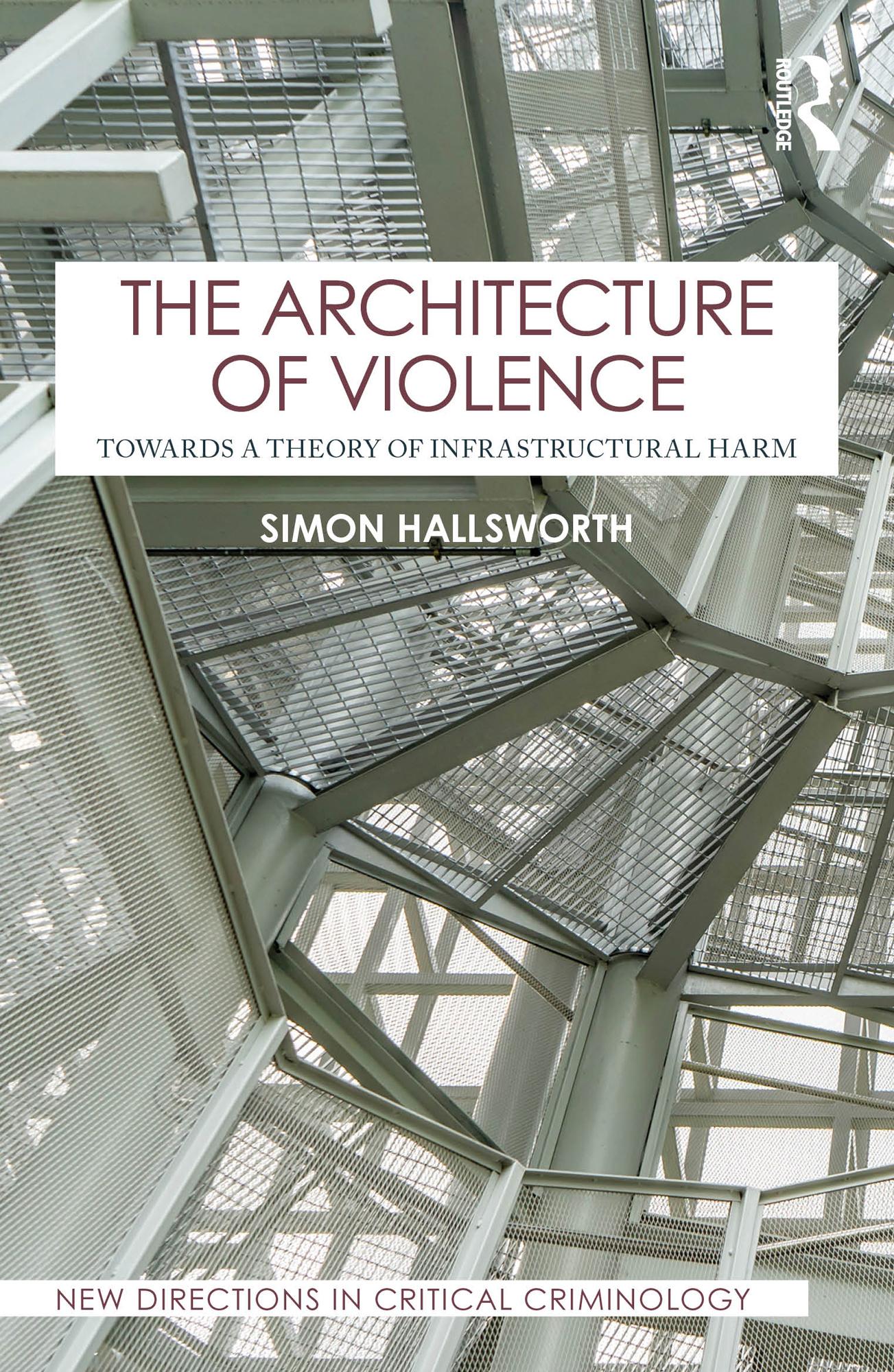
This book offers a new way of understanding harm in modern society. Rather than treating violence as the result of breakdown or failure, it argues that many forms of harm are built into the very systems designed to organise and protect social life. Laws, institutions, technologies, and policies can produce damage not by malfunctioning but by working exactly as intended.
Drawing on examples ranging from zones of suspended legality and emergency governance to the theatrical display of political power, the book shows how violence is woven into the normal operation of States and organisations across different regions of the world. It combines theoretical insight with concrete analysis to reveal how systems that promise security and progress often depend on sacrifice, waste, and destruction. The book also proposes a new framework for studying harm that moves beyond traditional approaches in criminology and social science. By rethinking criminology’s spatial topography and by attending to how institutions 'feel', it provides readers with tools for analysing contemporary problems such as State violence, border control, technological governance, and systemic inequality.
Written as an exercise in criminological noir, wide-ranging in scope, yet clear in argument, The Architecture of Violence speaks to readers interested in power, society, and the hidden structures that shape everyday life.
Payez facilement par carte, Klarna, Apple Pay ou Google Pay. Pas satisfait ? Vous avez toujours une garantie de remboursement de 14 jours. En savoir plus dans nos conditions. Si vous avez des questions, envoyez-nous un e-mail à hello@memmo.org.
Memmo facilite tes études, où que tu sois dans le monde. On rassemble tes manuels de cours et des outils d'étude intelligents au même endroit : résumés, quiz, podcasts et flashcards. Et il y a Ted, ton compagnon d'étude qui répond à toutes tes questions. Plus de 50 000 étudiants étudient déjà ici – conçu pour t'aider à apprendre plus vite et à moins stresser.