
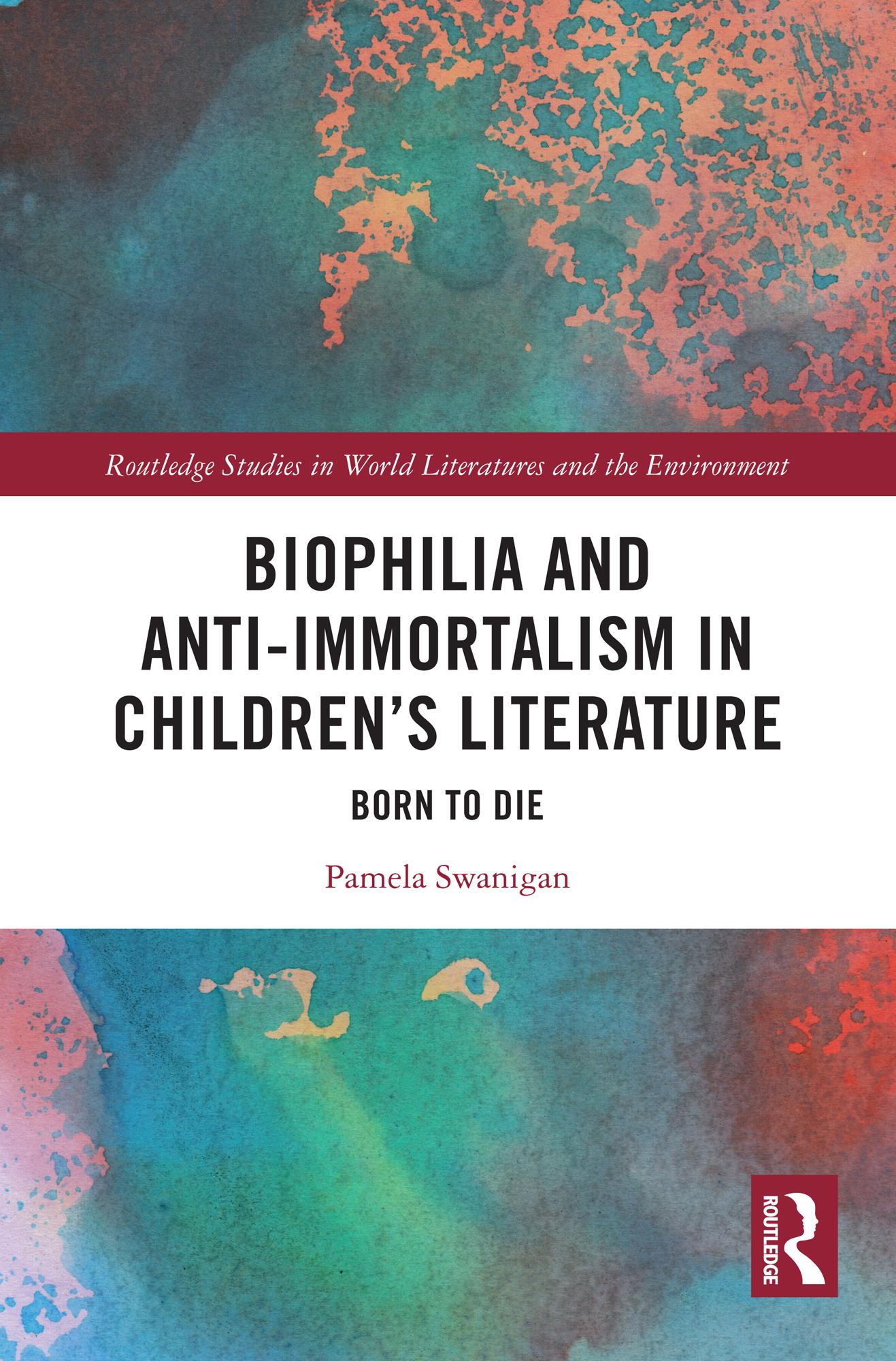
Children’s literature has traditionally been analyzed through humanist frameworks like psychoanalysis and gender theory, which, while legitimizing the genre’s study, fail to address its focus on animals, rural settings, and nature. This project takes a non-humanist, sociobiological approach, arguing that children’s literature has, for over a century, fostered what E. O. Wilson calls “biophilia”—an evolution-based affinity for living things expressed through innate impulses and predispositions. Focusing on chapter books with immortality as a theme, such as Frances Hodgson Burnett’s The Secret Garden, Natalie Babbitt’s Tuck Everlasting, and Ursula Le Guin’s The Other Wind, the study explores how children’s literature promotes a syncretic biotheism, revering life’s natural cycles while rejecting immortalist ideologies like Christian post-death immortality and secular life extension. These books depict human death as reintegration into nature, offering young readers a unique “ecological literacy.” This literacy cultivates values that conflict with industrialism, urbanization, and Christianity, creating “internal anomie” as readers transition into adulthood. By examining how children’s literature shapes ecological awareness and challenges dominant cultural mores, the project highlights the genre’s role in fostering a deeper connection to the natural world and its cycles, often overlooked in traditional critical analyses.
Payez facilement par carte, Klarna, Apple Pay ou Google Pay. Pas satisfait ? Vous avez toujours une garantie de remboursement de 14 jours. En savoir plus dans nos conditions. Si vous avez des questions, envoyez-nous un e-mail à hello@memmo.org.
Memmo facilite tes études, où que tu sois dans le monde. On rassemble tes manuels de cours et des outils d'étude intelligents au même endroit : résumés, quiz, podcasts et flashcards. Et il y a Ted, ton compagnon d'étude qui répond à toutes tes questions. Plus de 50 000 étudiants étudient déjà ici – conçu pour t'aider à apprendre plus vite et à moins stresser.