
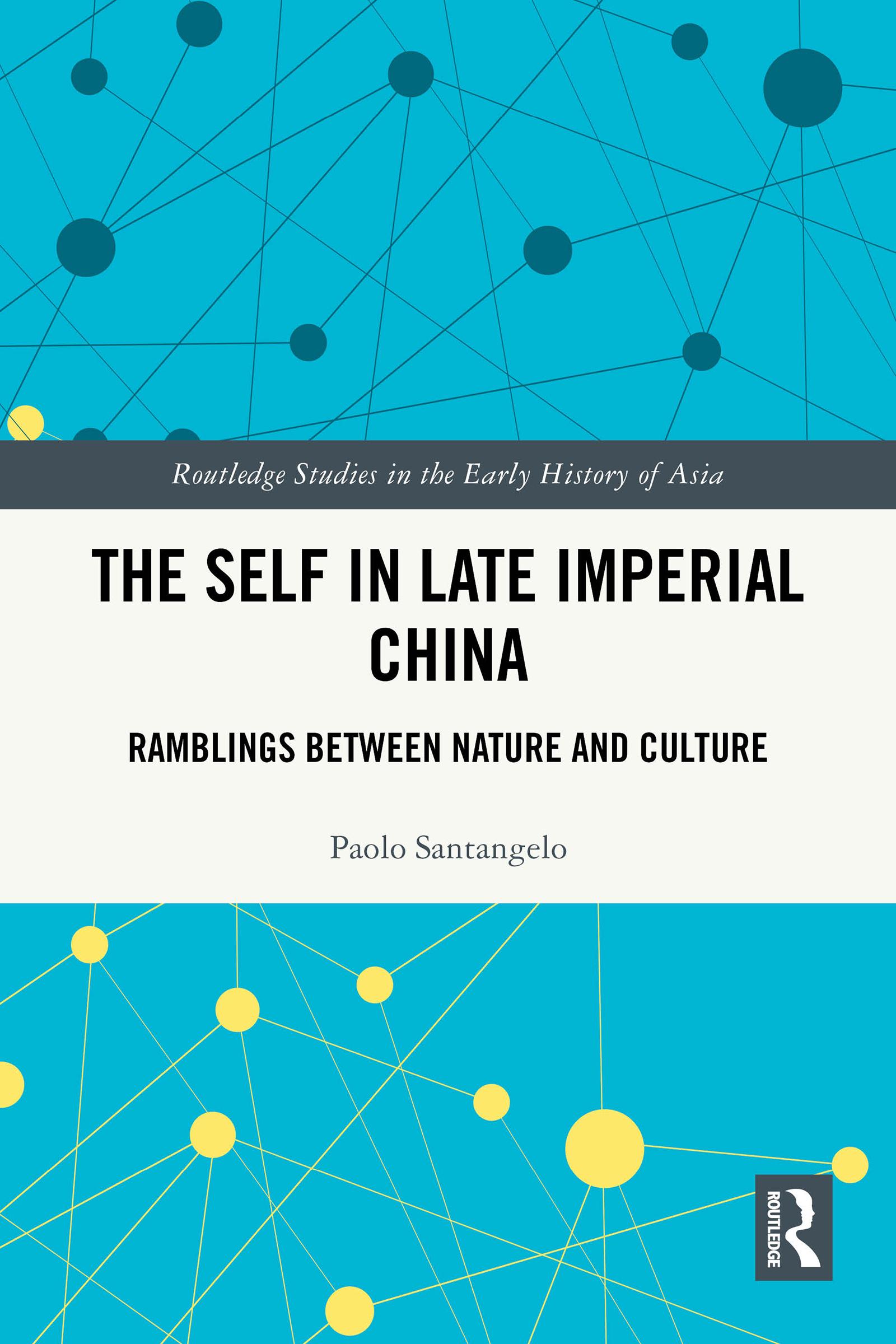
This book reflects on the representation of the self in late imperial China, prior to the influence of Western philosophical paradigms.
Examining how early modern Chinese literati and intellectuals conceived of selfhood, with particular attention to emotions, desires, moral sentiments, passions, and the embodied experience of sensory feelings, the book adopts a comparative perspective, engaging directly with Chinese sources while drawing cross-cultural parallels with debates among modern Western thinkers such as Spinoza and Nietzsche. Two key concepts anchor the analysis: the affective world—emotions and dispositions (qing)—and authenticity (zhen), which underpinned what some scholars have termed the “cult of qing.” The study explores how these ideas reshaped notions of the self, revealing tensions between natural impulses and moral cultivation.
Engaging with both Chinese sources and modern Western thinkers, this book will be a valuable resource to students and scholars of Intellectual history, Chinese history and culture, and History of ideas.
Payez facilement par carte, Klarna, Apple Pay ou Google Pay. Pas satisfait ? Vous avez toujours une garantie de remboursement de 14 jours. En savoir plus dans nos conditions. Si vous avez des questions, envoyez-nous un e-mail à hello@memmo.org.
Memmo facilite tes études, où que tu sois dans le monde. On rassemble tes manuels de cours et des outils d'étude intelligents au même endroit : résumés, quiz, podcasts et flashcards. Et il y a Ted, ton compagnon d'étude qui répond à toutes tes questions. Plus de 50 000 étudiants étudient déjà ici – conçu pour t'aider à apprendre plus vite et à moins stresser.