
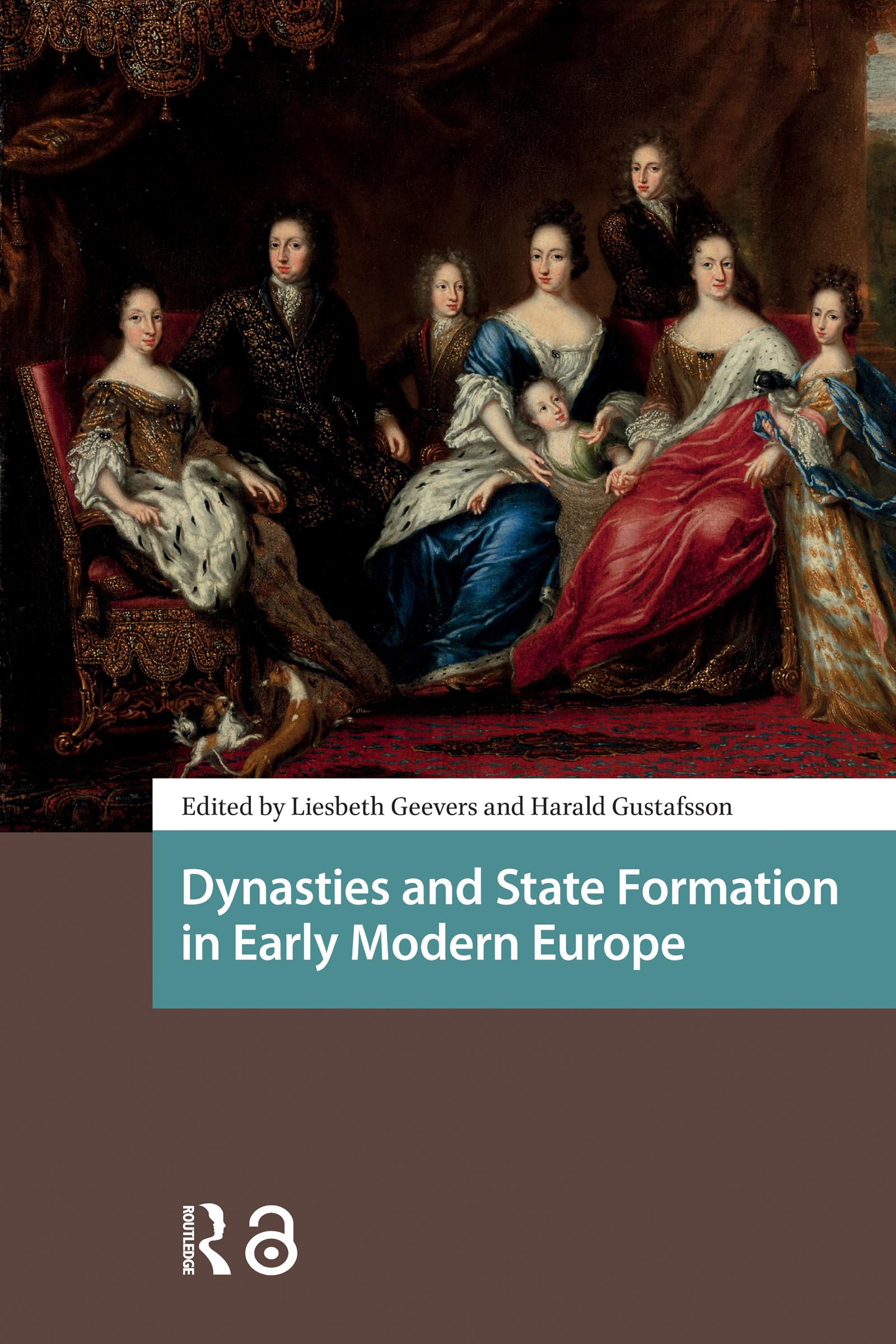
In state formation research, princely houses have been a blind spot. The development of states has been discussed from many perspectives, like interstate competition, internal social conflicts, fiscal-military developments, etc., but at the centre of most European states, there was a princely house. These ruling houses have been overlooked in studies about state formation. What’s more, when discussing such dynasties, the vertical chronological perspective (grandfather-father-son) is all dominating, for instance in the focus on dynastic continuity, dynastic culture and representation, and the like. This collection of essays highlights the horizontal perspective (ruler, all children, siblings, cousins), in asking how the members of a princely family acted as a power network. The quest is to develop an understanding how this family network interplayed with other factors in the state formation process. This volume brings together existing knowledge of the topic with the aim of exchanging insights and furthering knowledge.
Payez facilement par carte, Klarna, Apple Pay ou Google Pay. Pas satisfait ? Vous avez toujours une garantie de remboursement de 14 jours. En savoir plus dans nos conditions. Si vous avez des questions, envoyez-nous un e-mail à hello@memmo.org.
Memmo facilite tes études, où que tu sois dans le monde. On rassemble tes manuels de cours et des outils d'étude intelligents au même endroit : résumés, quiz, podcasts et flashcards. Et il y a Ted, ton compagnon d'étude qui répond à toutes tes questions. Plus de 50 000 étudiants étudient déjà ici – conçu pour t'aider à apprendre plus vite et à moins stresser.
Tu pourrais aussi aimer
Acheter le livre0