
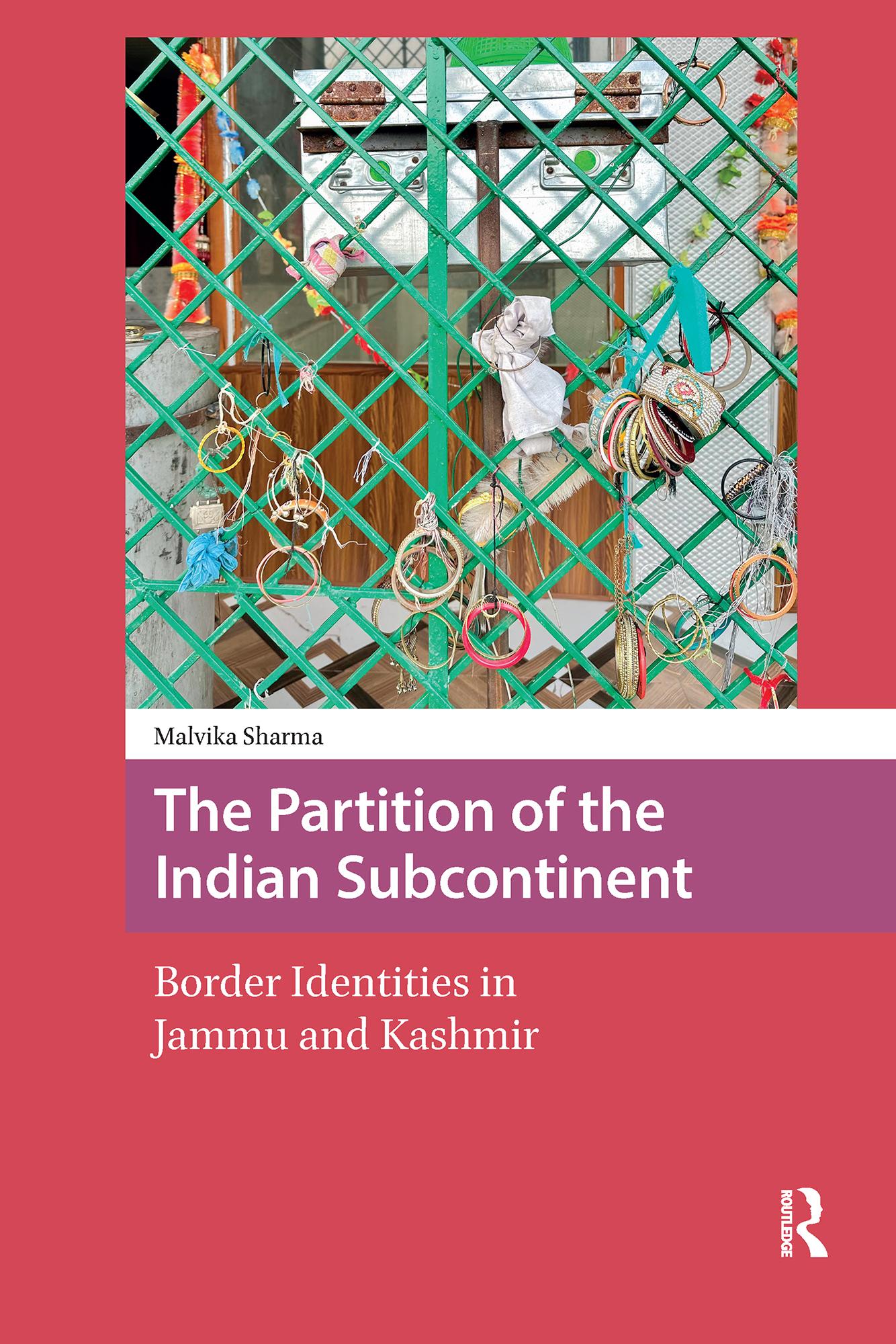
Pir-Panjals, the Himalayan ranges in Jammu and Kashmir, are home to various communities known for their distinctiveness, heterogeneity and diversity. Such diversity is historically embedded in the fluidity embodied by folds of Panjals. These folds encapsulated social, cultural, and religious plurality within the principalities that thrived here. The Partition of 1947 profoundly altered this by carving lines of demarcation—present day line-of-control—into the landscape. These lines have territorially, religiously and culturally divided ethnicities, including the Paharis of Poonch, known for multi-religious and linguistic cohesion. This book examines Partition’s impact on these pockets of diversity by exploring how Partition’s borders continue to shape social, symbolic and religious boundaries and how these boundaries impact shared plurality here. The work emphasizes the need to identify and archive sources of plurality so that their cultivation and practice continue to counter “the binaries” that essentially homogenize life-ways into categories of us versus them.
Payez facilement par carte, Klarna, Apple Pay ou Google Pay. Pas satisfait ? Vous avez toujours une garantie de remboursement de 14 jours. En savoir plus dans nos conditions. Si vous avez des questions, envoyez-nous un e-mail à hello@memmo.org.
Memmo facilite tes études, où que tu sois dans le monde. On rassemble tes manuels de cours et des outils d'étude intelligents au même endroit : résumés, quiz, podcasts et flashcards. Et il y a Ted, ton compagnon d'étude qui répond à toutes tes questions. Plus de 50 000 étudiants étudient déjà ici – conçu pour t'aider à apprendre plus vite et à moins stresser.