
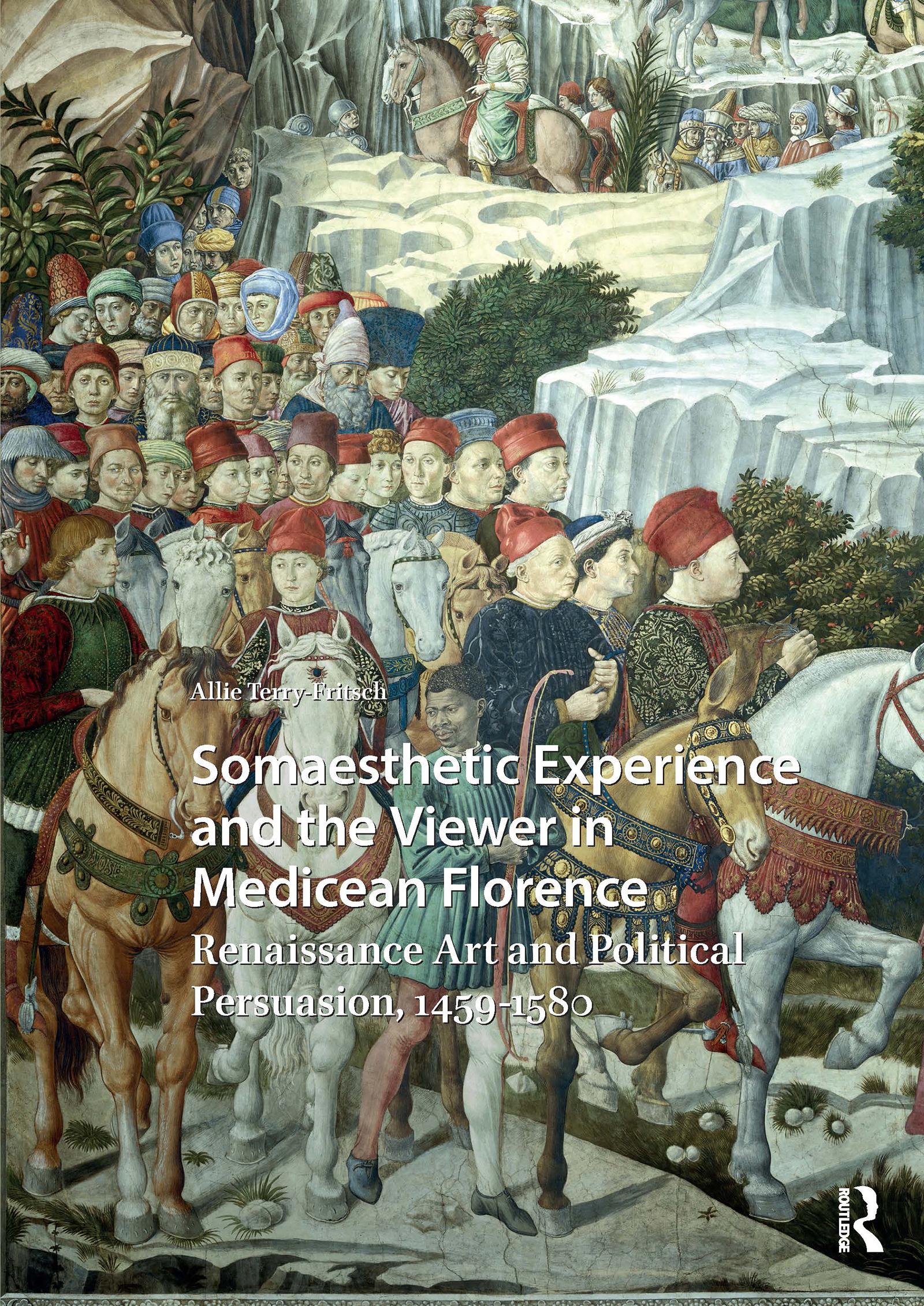
Viewers in the Middle Ages and Renaissance were encouraged to forge connections between their physical and affective states when they experienced works of art. They believed that their bodies served a critical function in coming to know and make sense of the world around them, and intimately engaged themselves with works of art and architecture on a daily basis. This book examines how viewers in Medicean Florence were self-consciously cultivated to enhance their sensory appreciation of works of art and creatively self-fashion through somaesthetics. Mobilized as a technology for the production of knowledge with and through their bodies, viewers contributed to the essential meaning of Renaissance art and, in the process, bound themselves to others. By investigating the framework and practice of somaesthetic experience of works by Benozzo Gozzoli, Donatello, Benedetto Buglioni, Giorgio Vasari, and others in fifteenth- and sixteenth century Florence, the book approaches the viewer as a powerful tool that was used by patrons to shape identity and power in the Renaissance.
Payez facilement par carte, Klarna, Apple Pay ou Google Pay. Pas satisfait ? Vous avez toujours une garantie de remboursement de 14 jours. En savoir plus dans nos conditions. Si vous avez des questions, envoyez-nous un e-mail à hello@memmo.org.
Memmo facilite tes études, où que tu sois dans le monde. On rassemble tes manuels de cours et des outils d'étude intelligents au même endroit : résumés, quiz, podcasts et flashcards. Et il y a Ted, ton compagnon d'étude qui répond à toutes tes questions. Plus de 50 000 étudiants étudient déjà ici – conçu pour t'aider à apprendre plus vite et à moins stresser.
Tu pourrais aussi aimer
Acheter le livre0