
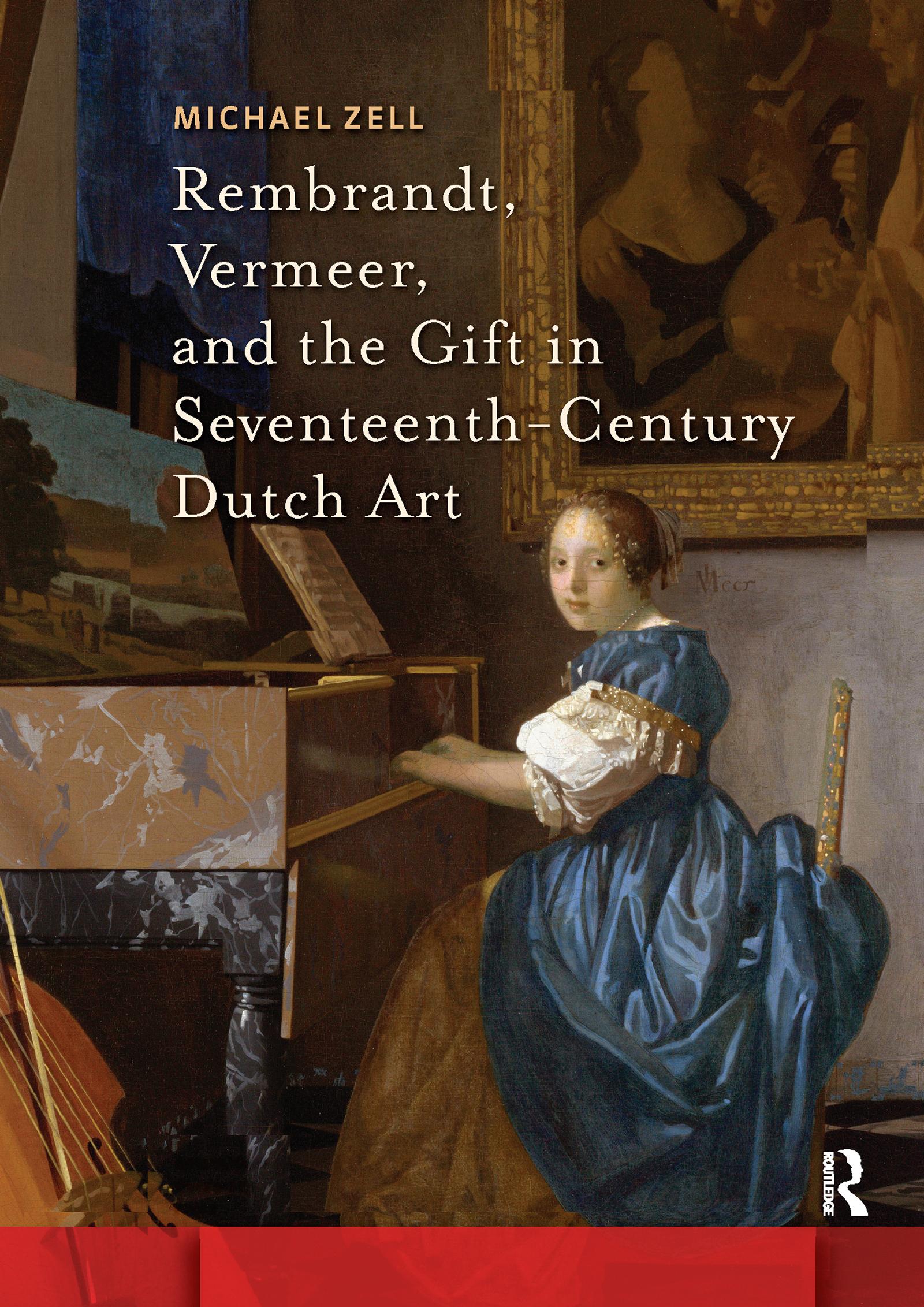
Rembrandt, Vermeer, and the Gift in Seventeenth-Century Dutch Art offers a new perspective on the art of the Dutch Golden Age by exploring the interaction between the gift's symbolic economy of reciprocity and obligation and the artistic culture of early modern Holland. Gifts of art were pervasive in seventeenth-century Europe, and many Dutch artists, like their counterparts elsewhere, embraced gift giving to cultivate relations with patrons, art lovers, and other members of their social networks. Rembrandt also created distinctive works to function within a context of gift exchange, and both Rembrandt and Vermeer engaged the ethics of the gift to identify their creative labor as motivated by what contemporaries called a love of art, not materialistic gain. In the merchant republic’s vibrant market for art, networks of gift relations and the anti-economic rhetoric of the gift mingled with the growing dimension of commerce, revealing a unique chapter in the interconnected history of gift giving and art making.
Payez facilement par carte, Klarna, Apple Pay ou Google Pay. Pas satisfait ? Vous avez toujours une garantie de remboursement de 14 jours. En savoir plus dans nos conditions. Si vous avez des questions, envoyez-nous un e-mail à hello@memmo.org.
Memmo facilite tes études, où que tu sois dans le monde. On rassemble tes manuels de cours et des outils d'étude intelligents au même endroit : résumés, quiz, podcasts et flashcards. Et il y a Ted, ton compagnon d'étude qui répond à toutes tes questions. Plus de 50 000 étudiants étudient déjà ici – conçu pour t'aider à apprendre plus vite et à moins stresser.