
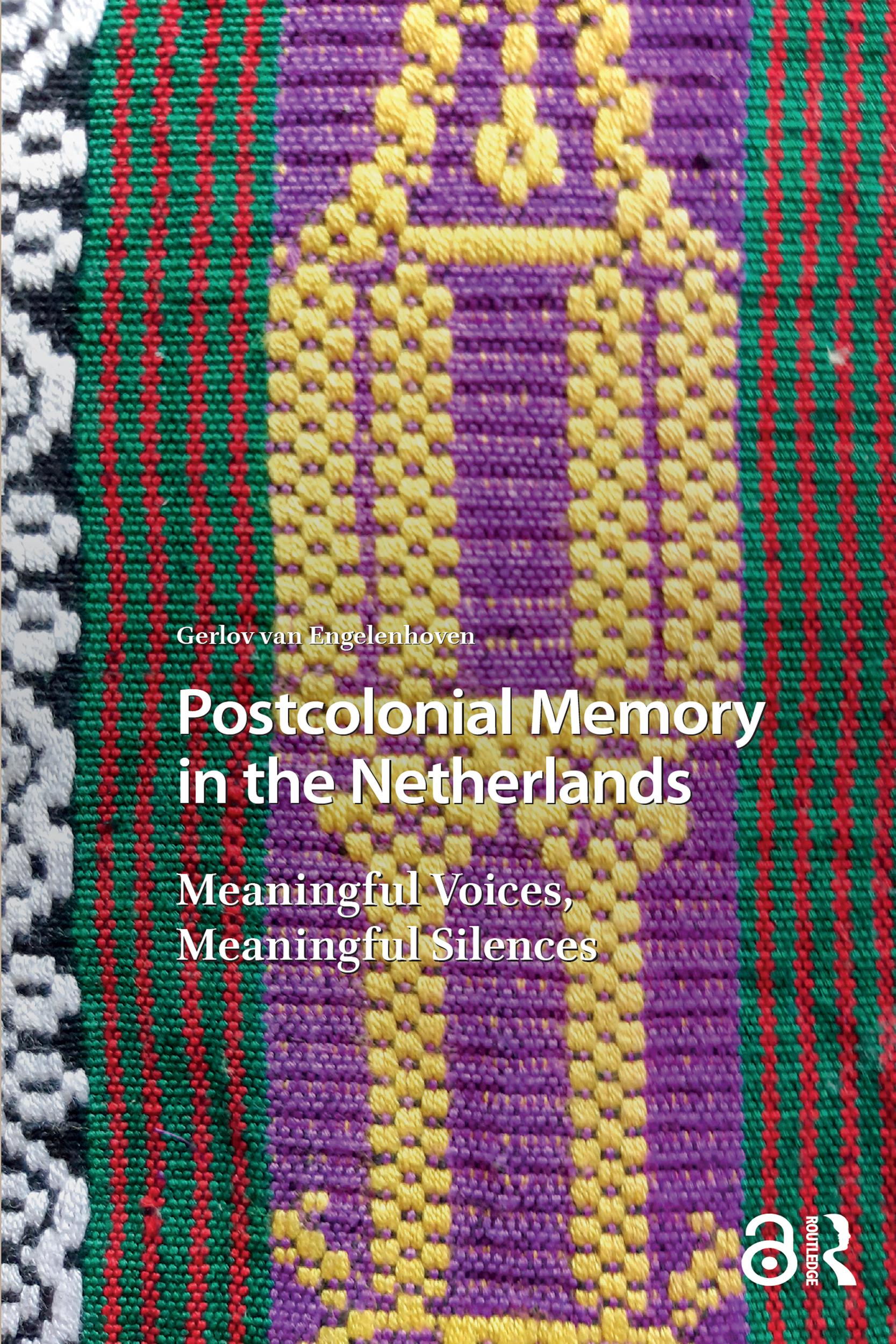
This book is about postcolonial memory in the Netherlands. This term refers to conflicts in contemporary society about how the colonial past should be remembered. The question is often: who has the right or ability to tell their stories and who do not? In other words: who has a voice, and who is silenced? As such, these conflicts represent a wider tendency in cultural theory and activism to use voice as a metaphor for empowerment and silence as voice’s negative counterpart, signifying powerlessness. And yet, there are voices that do not liberate us from, but rather subject us to power. Meanwhile, silence can be powerful: it can protect, disrupt and reconfigure. Throughout this book, it will become clear how voice and silence function not as each other’s opposites, but as each other’s continuation, and that postcolonial memory is articulated through the interplay of meaningful voices and meaningful silences.
Payez facilement par carte, Klarna, Apple Pay ou Google Pay. Pas satisfait ? Vous avez toujours une garantie de remboursement de 14 jours. En savoir plus dans nos conditions. Si vous avez des questions, envoyez-nous un e-mail à hello@memmo.org.
Memmo facilite tes études, où que tu sois dans le monde. On rassemble tes manuels de cours et des outils d'étude intelligents au même endroit : résumés, quiz, podcasts et flashcards. Et il y a Ted, ton compagnon d'étude qui répond à toutes tes questions. Plus de 50 000 étudiants étudient déjà ici – conçu pour t'aider à apprendre plus vite et à moins stresser.