
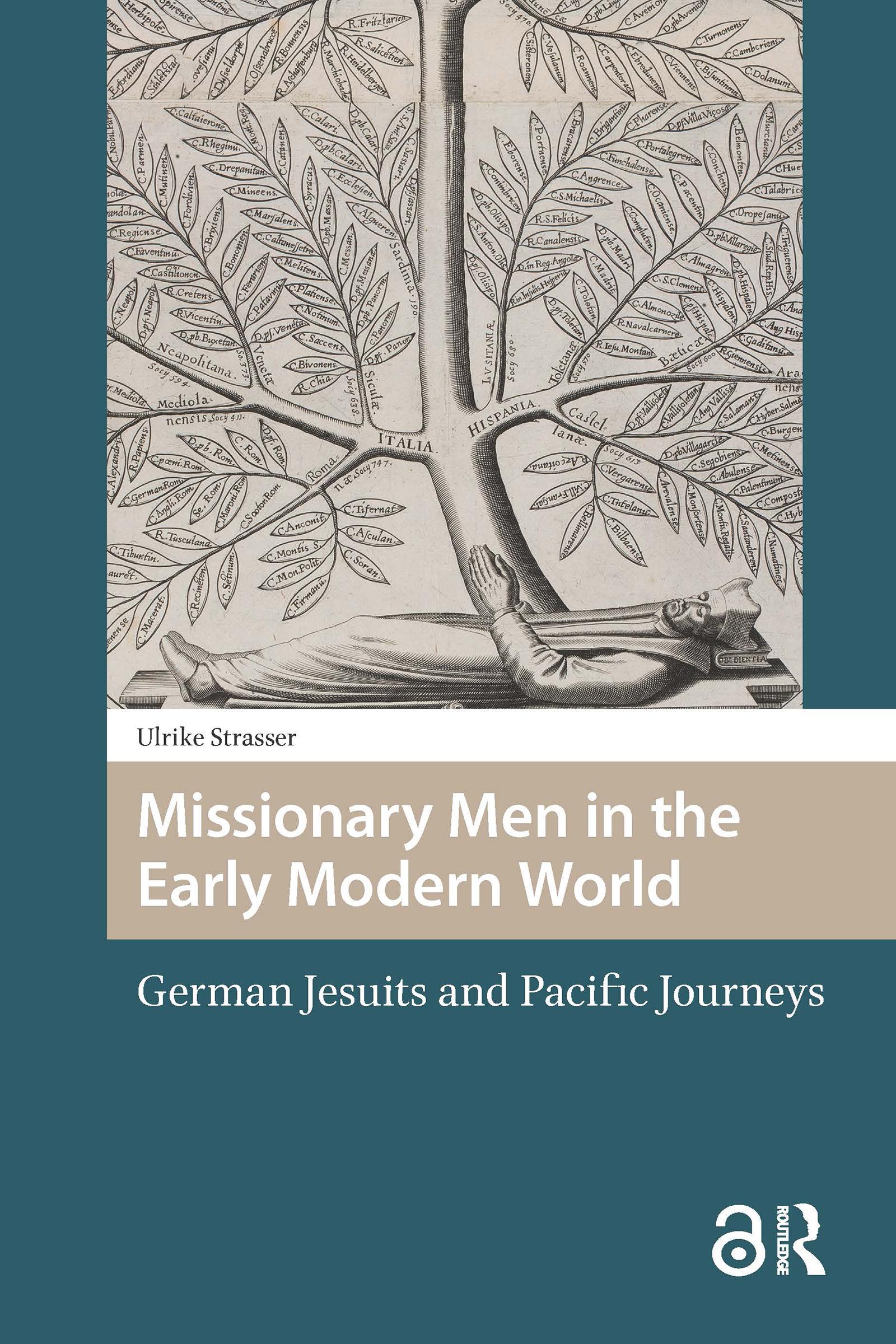
How did gender shape the expanding Jesuit enterprise in the early modern world? What did it take to become a missionary man? And how did missionary masculinity align itself with the European colonial project? This book highlights the central importance of male affective ties and masculine mimesis in the formation of the Jesuit missions, as well as the significance of patriarchal dynamics. Focusing on previously neglected German actors, Strasser shows how stories of exemplary male behavior circulated across national boundaries, directing the hearts and feet of men throughout Europe toward Jesuit missions in faraway lands. The sixteenth-century Iberian exemplars of Ignatius of Loyola and Francis Xavier, disseminated in print and visual media, inspired late-seventeenth-century Jesuits from German-speaking lands to bring Catholicism and European gender norms to the Spanish-controlled Pacific. The age of global missions hinged on the reproduction of missionary manhood in print and real life.
Payez facilement par carte, Klarna, Apple Pay ou Google Pay. Pas satisfait ? Vous avez toujours une garantie de remboursement de 14 jours. En savoir plus dans nos conditions. Si vous avez des questions, envoyez-nous un e-mail à hello@memmo.org.
Memmo facilite tes études, où que tu sois dans le monde. On rassemble tes manuels de cours et des outils d'étude intelligents au même endroit : résumés, quiz, podcasts et flashcards. Et il y a Ted, ton compagnon d'étude qui répond à toutes tes questions. Plus de 50 000 étudiants étudient déjà ici – conçu pour t'aider à apprendre plus vite et à moins stresser.
Tu pourrais aussi aimer
Acheter le livre0