
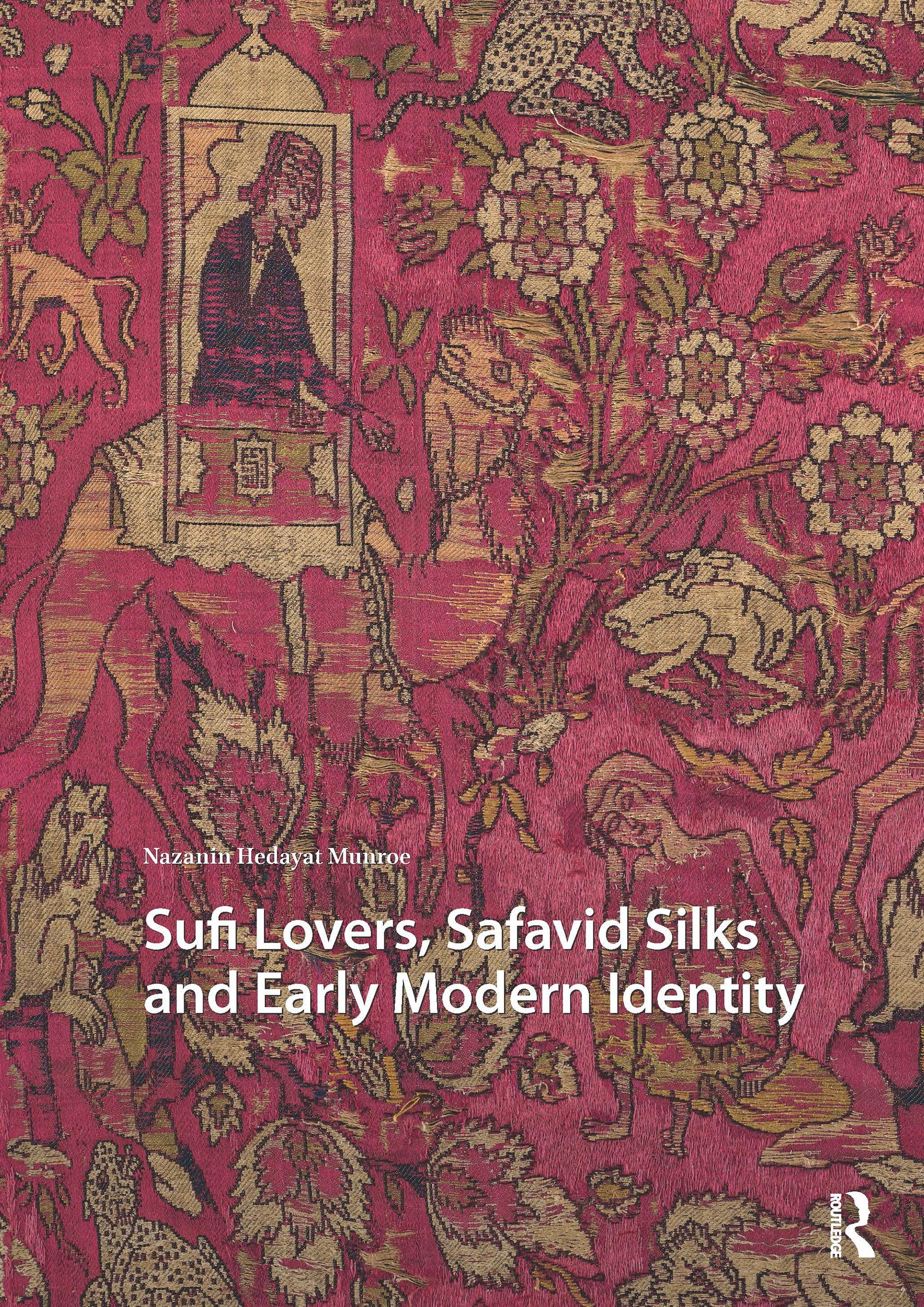
This book examines a group of sixteenth- and seventeenth-century figural silks depicting legendary lovers from the Khamsa (Quintet) of epic Persian poetry. Codified by Nizami Ganjavi in the twelfth century, the Khamsa gained popularity in the Persian-speaking realm through illustrated manuscripts produced for the elite, creating a template for illustrating climactic scenes in the love stories of “Layla and Majnun” and “Khusrau and Shirin” that appear on early modern silks. Attributed to Safavid Iran, the publication proposes that dress fashioned from these silks represented Sufi ideals based on the characters. Migration of weavers between Safavid and Mughal courts resulted in producing goods for a sophisticated and educated elite, demonstrating shared cultural values and potential reattribution. Through an examination of primary source materials, literary analysis of the original text, and close iconographical study of figural designs, the study presents original cross-disciplinary arguments about patronage, provenance, and the socio-cultural significance of wearing these silks.
Payez facilement par carte, Klarna, Apple Pay ou Google Pay. Pas satisfait ? Vous avez toujours une garantie de remboursement de 14 jours. En savoir plus dans nos conditions. Si vous avez des questions, envoyez-nous un e-mail à hello@memmo.org.
Memmo facilite tes études, où que tu sois dans le monde. On rassemble tes manuels de cours et des outils d'étude intelligents au même endroit : résumés, quiz, podcasts et flashcards. Et il y a Ted, ton compagnon d'étude qui répond à toutes tes questions. Plus de 50 000 étudiants étudient déjà ici – conçu pour t'aider à apprendre plus vite et à moins stresser.