
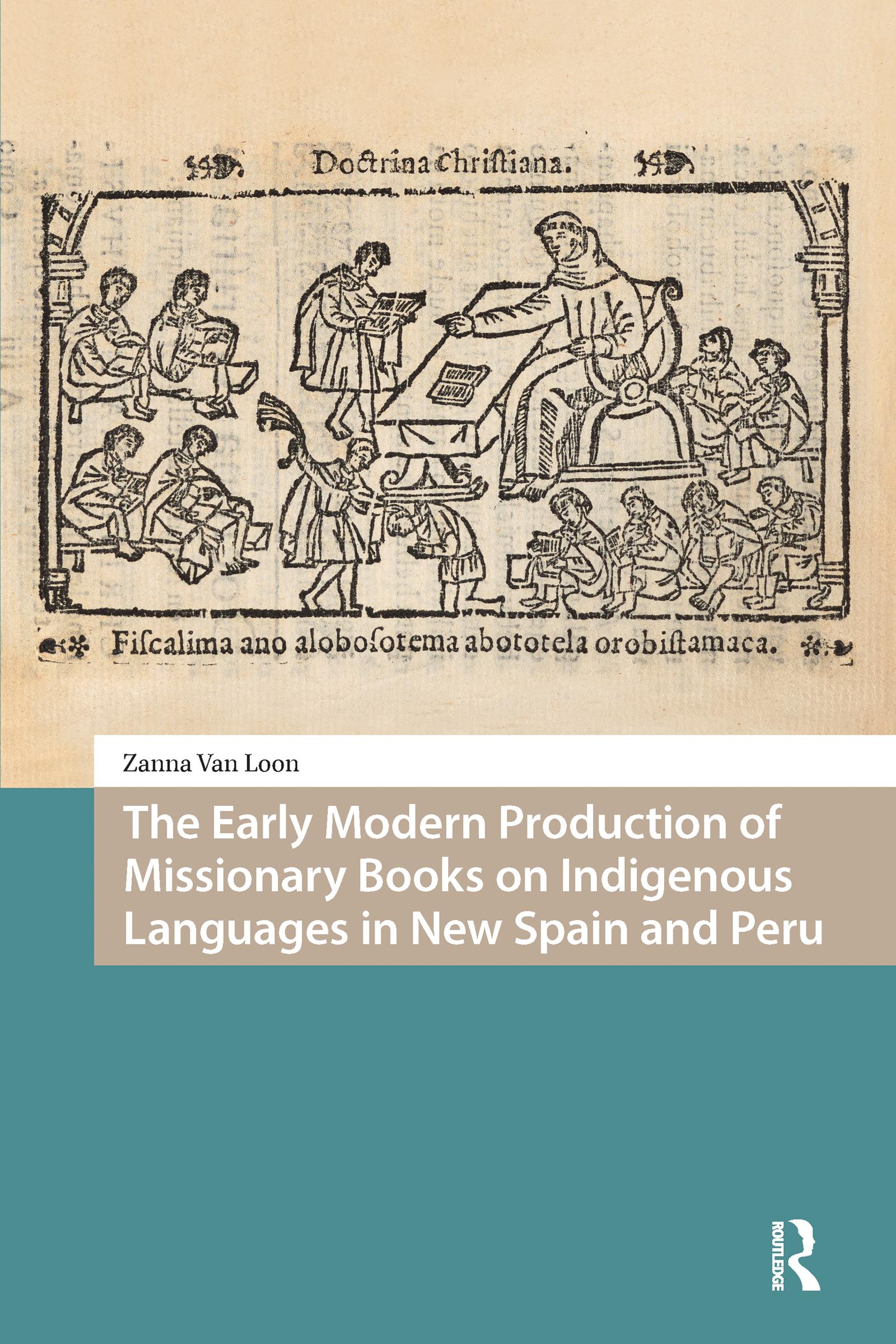
How do the social, material, and spatial processes underlying the making of early modern missionary grammars, vocabularies, and devotional translations deepen our understanding of their contents? The handwritten and printed missionary books produced in the Spanish viceroyalties of New Spain and Peru were key instruments designed to help study Indigenous languages in order to efficiently teach religious doctrine to local communities unfamiliar with European culture and religion. This volume considers these missionary books as physical and social objects and illuminates how a variety of factors determines their physical appearance, structure, and form, which in turn shape and guide the interpretation of their contents: people involved in its making; geographical and social circumstances and conditions of production; technologies, materials, and tools; genre and function(s) of the books; and intended readership, modes of distribution, and readerly responses.
Payez facilement par carte, Klarna, Apple Pay ou Google Pay. Pas satisfait ? Vous avez toujours une garantie de remboursement de 14 jours. En savoir plus dans nos conditions. Si vous avez des questions, envoyez-nous un e-mail à hello@memmo.org.
Memmo facilite tes études, où que tu sois dans le monde. On rassemble tes manuels de cours et des outils d'étude intelligents au même endroit : résumés, quiz, podcasts et flashcards. Et il y a Ted, ton compagnon d'étude qui répond à toutes tes questions. Plus de 50 000 étudiants étudient déjà ici – conçu pour t'aider à apprendre plus vite et à moins stresser.
Tu pourrais aussi aimer
Acheter le livre0