
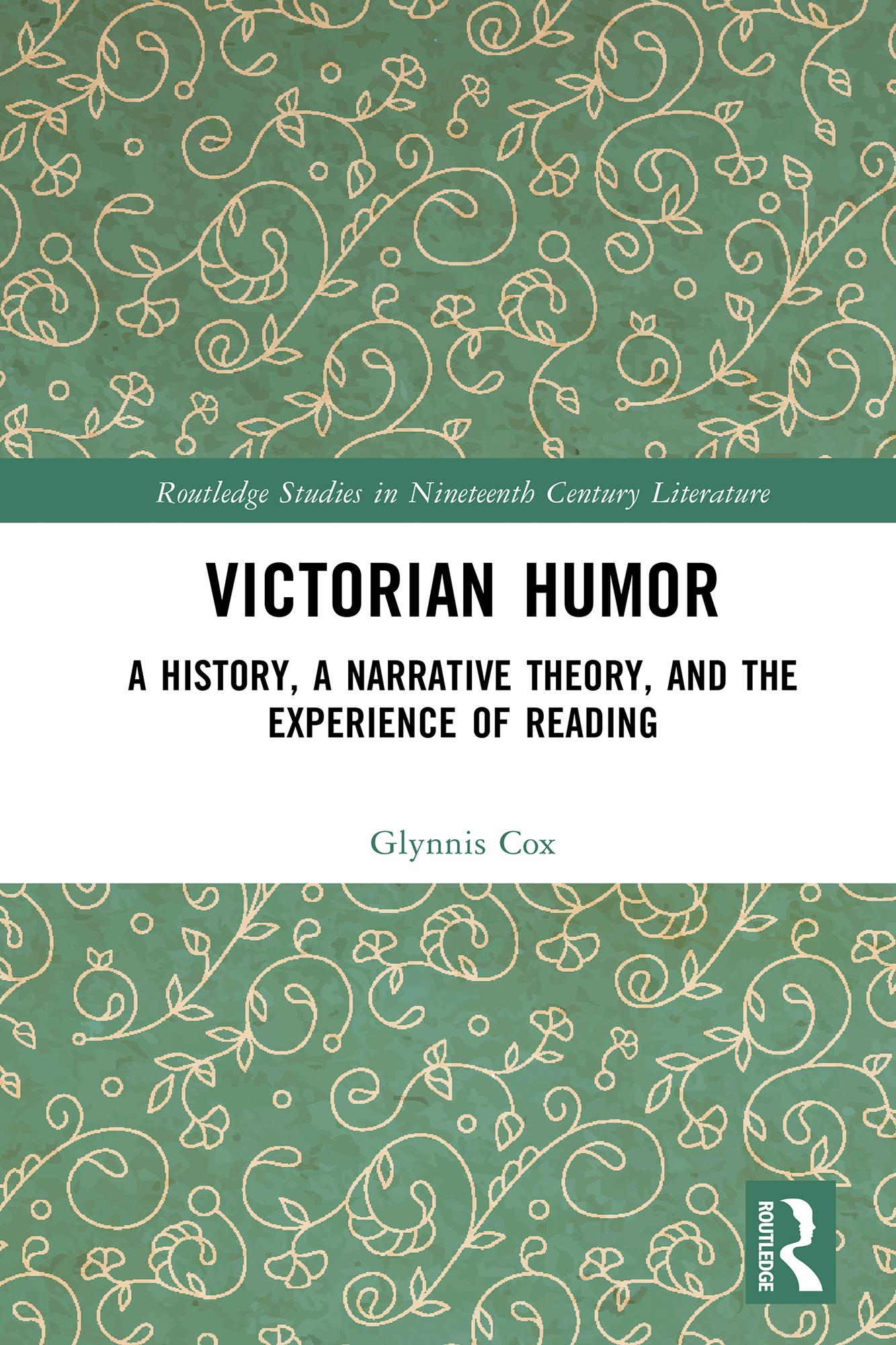
Humor and the novel both belong, in important ways, to the nineteenth century. It is in the nineteenth century that we saw an unprecedented outpouring of novels and short stories, and it was also in the nineteenth century when humor emerged as the dominant term through which the comic was described. Victorian Humor argues that these two features of nineteenth-century culture shape one another in significant ways and, together, point to a broader societal shift in ways of thinking about the individual. Building upon this historical connection, Victorian Humor offers new theories and methodologies for the interpretation of humor as a technique of narrative communication. These theories are developed in conversation with recent interdisciplinary research in humor theory and narrative theory and grounded in nineteenth-century literary and intellectual culture. Victorian Humor describes and illustrates its theories through lively analyses of a wide range of novels and short stories: canonical texts by Dickens, Thackeray, and Trollope; more obscure texts by Bulwer-Lytton, Meredith, and Frances Trollope; as well as the minor works of Eliot and Gaskell. It offers the field of Victorian literature and literary studies a needful update both in how we understand humor and how we interpret its role in the experience of narrative.
Payez facilement par carte, Klarna, Apple Pay ou Google Pay. Pas satisfait ? Vous avez toujours une garantie de remboursement de 14 jours. En savoir plus dans nos conditions. Si vous avez des questions, envoyez-nous un e-mail à hello@memmo.org.
Memmo facilite tes études, où que tu sois dans le monde. On rassemble tes manuels de cours et des outils d'étude intelligents au même endroit : résumés, quiz, podcasts et flashcards. Et il y a Ted, ton compagnon d'étude qui répond à toutes tes questions. Plus de 50 000 étudiants étudient déjà ici – conçu pour t'aider à apprendre plus vite et à moins stresser.