
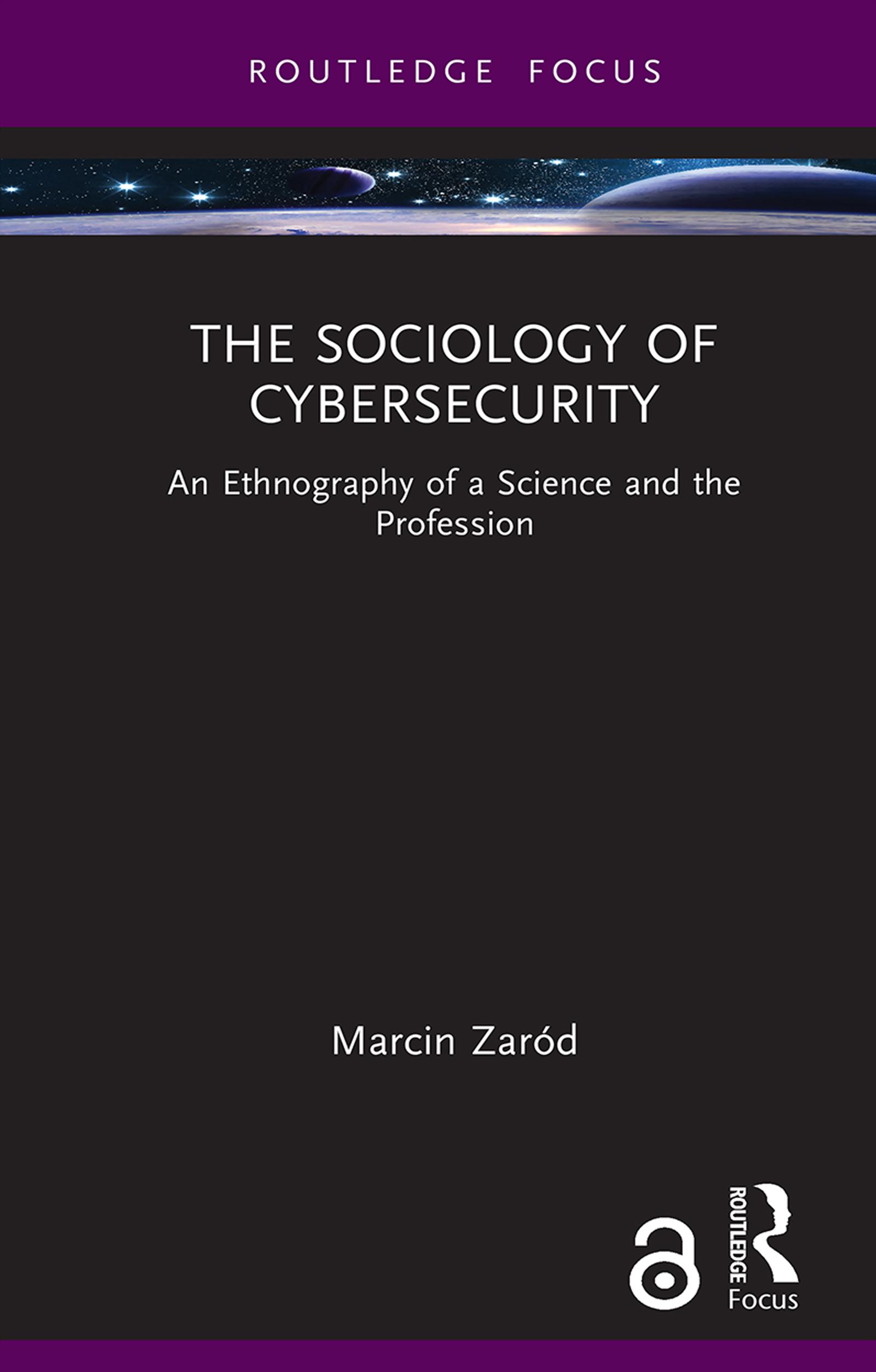
This book explores the sociological processes related to digital infrastructures, nation-states, military organisations, companies and hackers. It explores how the European Union consults hackers, what the sociological implications beneath hacking tournaments might be, how the CVE system might be mapped onto the research of ICD-11 and how many theological devils fit as opponent models?
Based on ethnographic research conducted among hackers and cybersecurity conferences from several countries across Europe, The Sociology of Cybersecurity asks how knowledge is created in different groups connected with information security. It considers the ways in which social processes in the field of cybersecurity appear similar to phenomena that characterise knowledge production in scientific disciplines.
An examination of what the study of information security can contribute to our debates on privacy, digital economy, theories of sovereignty and critical perspectives in the 21st century, The Sociology of Cybersecurity will appeal to social scientists interested in the sociology of knowledge and contemporary research at the intersection of labour, technology and society.
The Open Access version of this book, available at http://www.taylorfrancis.com, has been made available under a Creative Commons Attribution-Non Commercial-No Derivatives (CC BY-NC-ND) 4.0 license.
Payez facilement par carte, Klarna, Apple Pay ou Google Pay. Pas satisfait ? Vous avez toujours une garantie de remboursement de 14 jours. En savoir plus dans nos conditions. Si vous avez des questions, envoyez-nous un e-mail à hello@memmo.org.
Memmo facilite tes études, où que tu sois dans le monde. On rassemble tes manuels de cours et des outils d'étude intelligents au même endroit : résumés, quiz, podcasts et flashcards. Et il y a Ted, ton compagnon d'étude qui répond à toutes tes questions. Plus de 50 000 étudiants étudient déjà ici – conçu pour t'aider à apprendre plus vite et à moins stresser.