
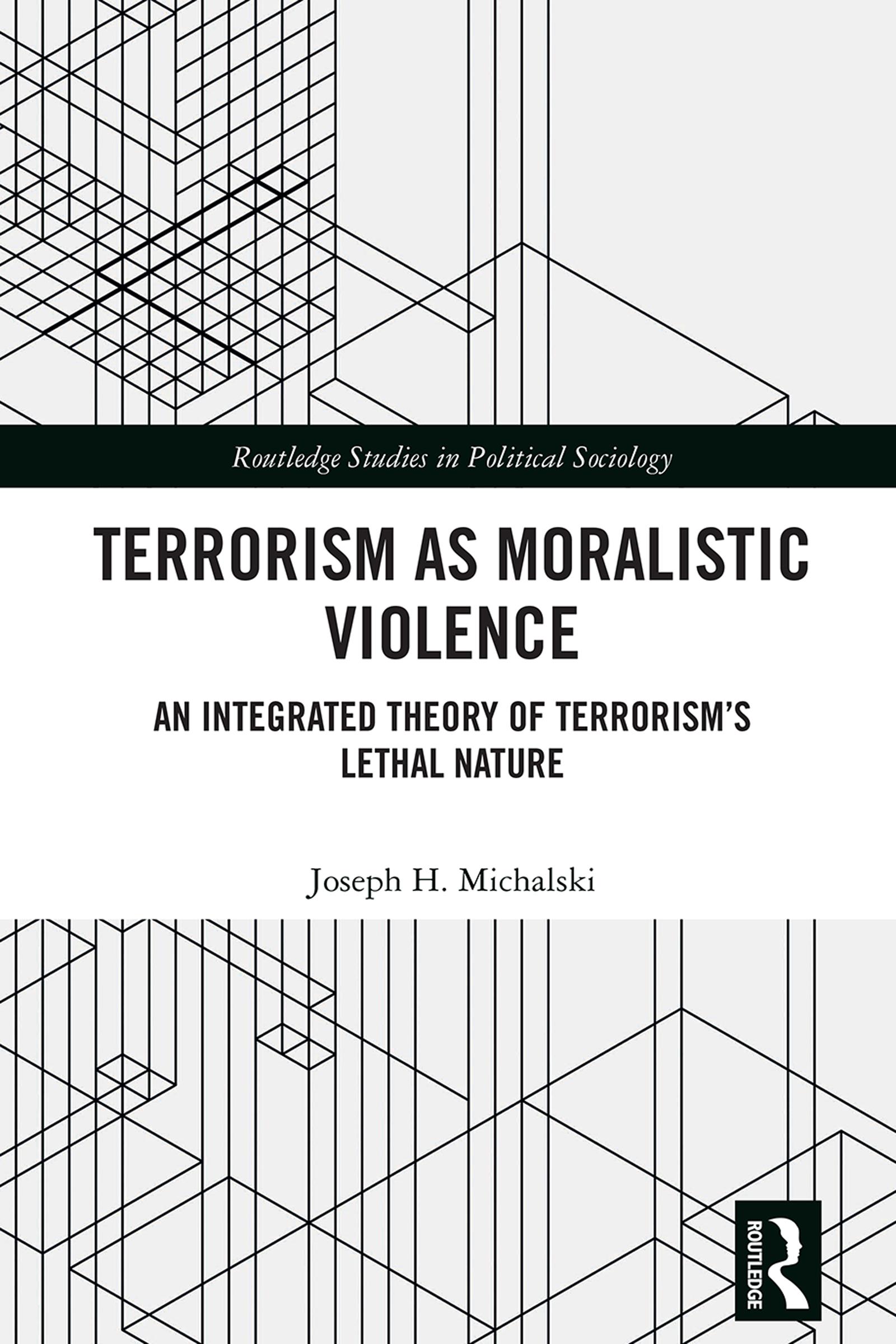
This book develops and applies the theory of lethal moralism to explain the different types and growth of terrorism over the last half-century, from 1970 to 2020.
Drawing on data from the Global Terrorism Database, supplemented with original research differentiating groups based on their ideological orientations, it delves into the social and cultural forces that influence those who engage in terrorism, including the dynamic processes of "othering" that produce the social polarization crucial for understanding why some groups resort to lethal violence to handle their grievances. It systematically applies the theory of lethal moralism to explain the main types of terrorism rooted in different ideological frameworks, including left-wing terrorism, nationalist and separatist movements, religious terrorism (including a separate chapter on radical Islam), and right-wing extremism and hate groups.
As a theoretically informed study of the main varieties of terrorism and the evolution of terrorism in the digital age, Terrorism as Moralistic Violence will appeal to scholars of sociology, criminology, social theory, and politics with interests in political violence and terrorist movements.
Payez facilement par carte, Klarna, Apple Pay ou Google Pay. Pas satisfait ? Vous avez toujours une garantie de remboursement de 14 jours. En savoir plus dans nos conditions. Si vous avez des questions, envoyez-nous un e-mail à hello@memmo.org.
Memmo facilite tes études, où que tu sois dans le monde. On rassemble tes manuels de cours et des outils d'étude intelligents au même endroit : résumés, quiz, podcasts et flashcards. Et il y a Ted, ton compagnon d'étude qui répond à toutes tes questions. Plus de 50 000 étudiants étudient déjà ici – conçu pour t'aider à apprendre plus vite et à moins stresser.