
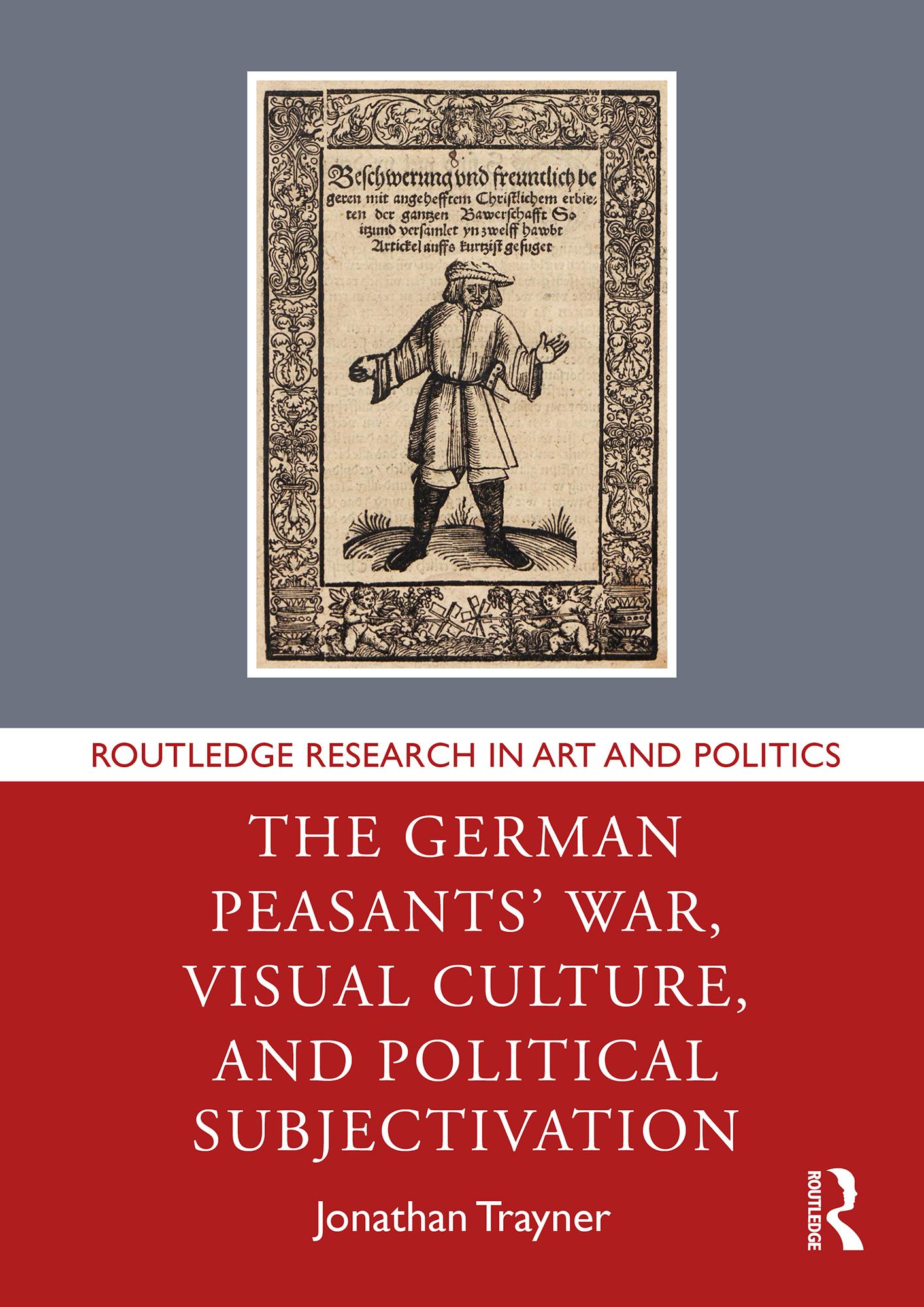
This study examines the visual productions of the German Peasants’ War – pamphlets, banners, and clothing – to argue for the disruptive and radical visual legacy in which hierarchies and modes of subjection were overturned.
Drawing on the author’s experience as a print maker and artist, the book offers a close and sympathetic analysis of the visual culture produced in this moment of war and revolt. Far from only being a matter of historical interest, these disruptive modes of visual production also resonate with contemporary debates about dissensus, populism, and political identity, especially in the work of Jacques Rancière. The refusal of these peasants (and mercenaries and some clergy) to remain in their place ruptured the visual field of power. It was also the repression of this popular eruption that was to shape conventional visual culture and politics as a reaction.
The book will be of interest to scholars working in art history, visual culture, medieval and early modern studies, and political history.
Payez facilement par carte, Klarna, Apple Pay ou Google Pay. Pas satisfait ? Vous avez toujours une garantie de remboursement de 14 jours. En savoir plus dans nos conditions. Si vous avez des questions, envoyez-nous un e-mail à hello@memmo.org.
Memmo facilite tes études, où que tu sois dans le monde. On rassemble tes manuels de cours et des outils d'étude intelligents au même endroit : résumés, quiz, podcasts et flashcards. Et il y a Ted, ton compagnon d'étude qui répond à toutes tes questions. Plus de 50 000 étudiants étudient déjà ici – conçu pour t'aider à apprendre plus vite et à moins stresser.